Backpacking Across China 3 - Central China
Aug 30, 2026
7 minute read
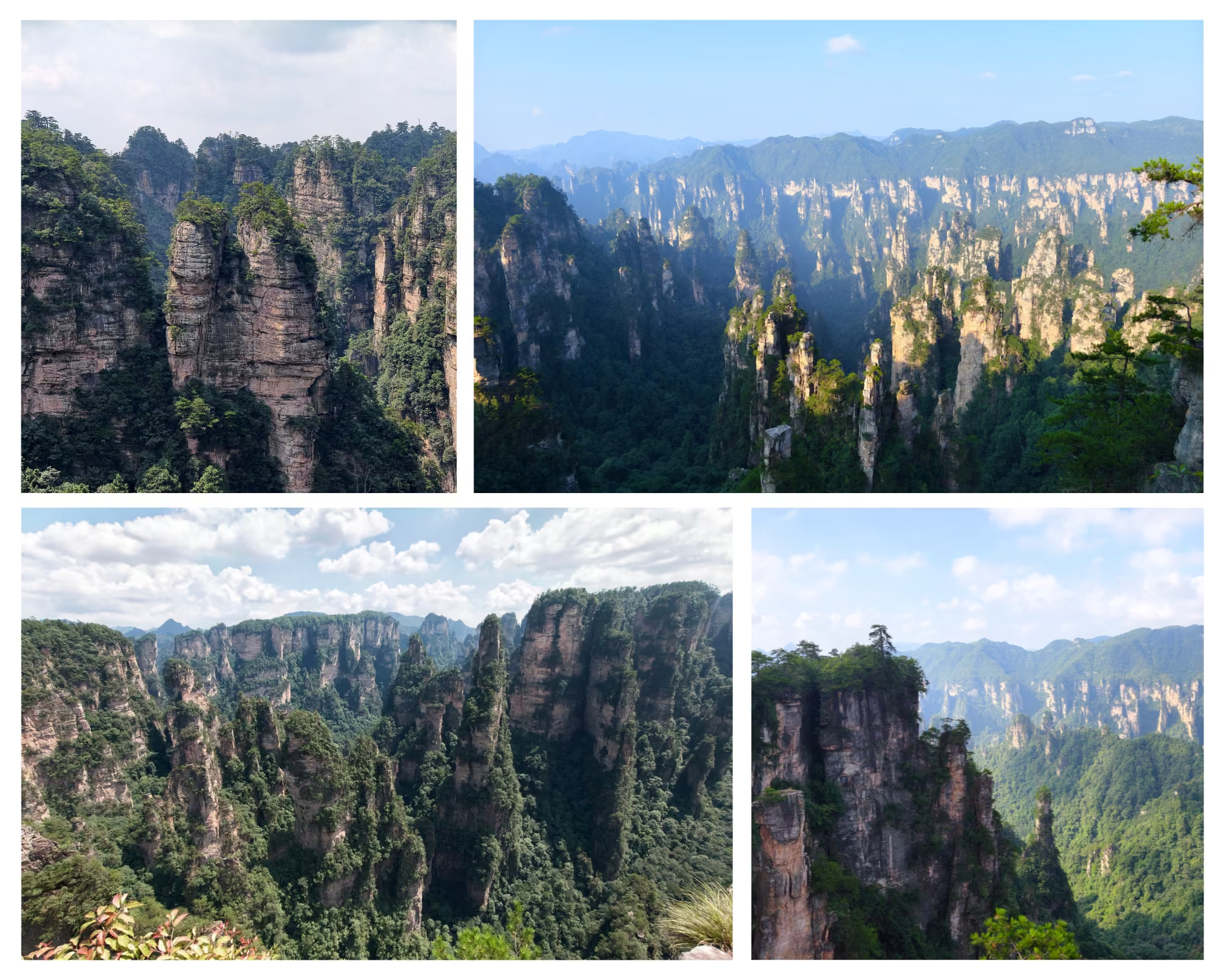
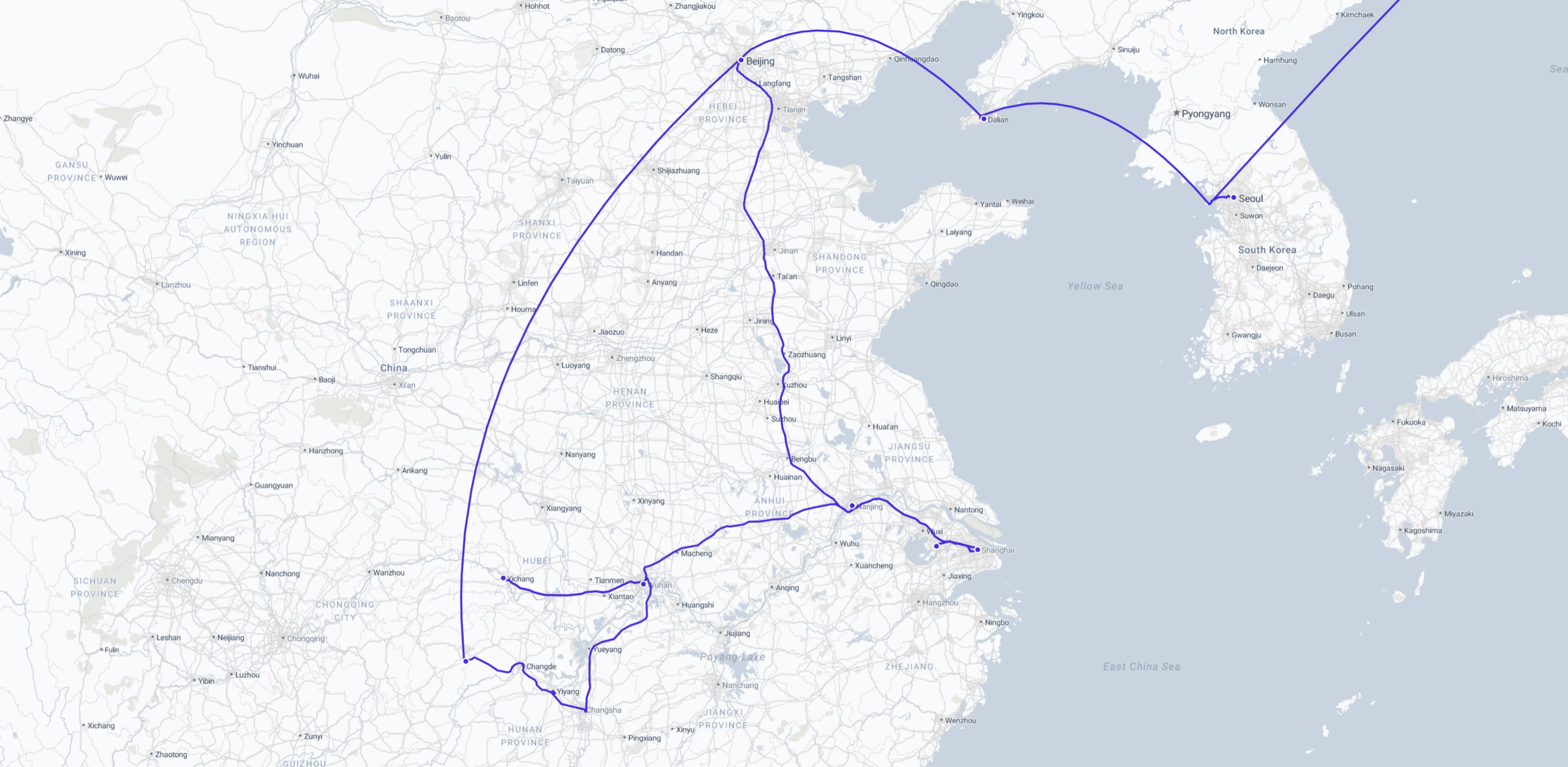
After finishing my summer program at Peking University, I finally left the capital to complete the last leg of the journey. Starting from Shanghai, I worked my way west through other ancient capitals, cities, and natural wonders before ending in Zhangjiajie (张家界) National Park. Multiple train rides, two typhoons, and the hottest heatwave on record - it was an adventure to remember for sure!
Shanghai 上海
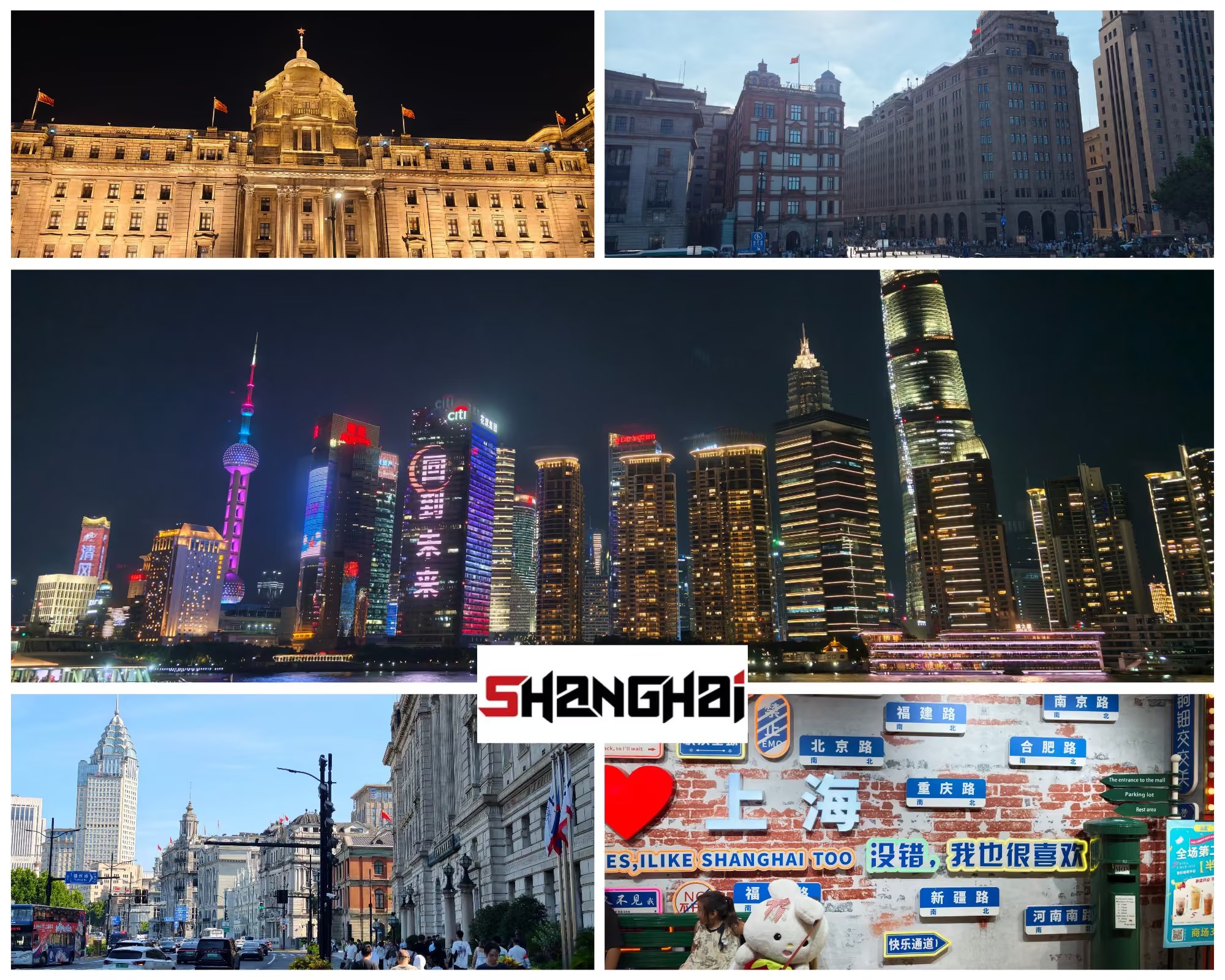
China's largest metropolitan city and gateway to the international community. The most tourists (behind Hong Kong), major companies, variety of cuisines, and large-scale events. Whether you're interested in high-class living, historical architecture, contemporary youth culture, Shanghai felt like a complete, full-color swatch in how it captures every color of life.
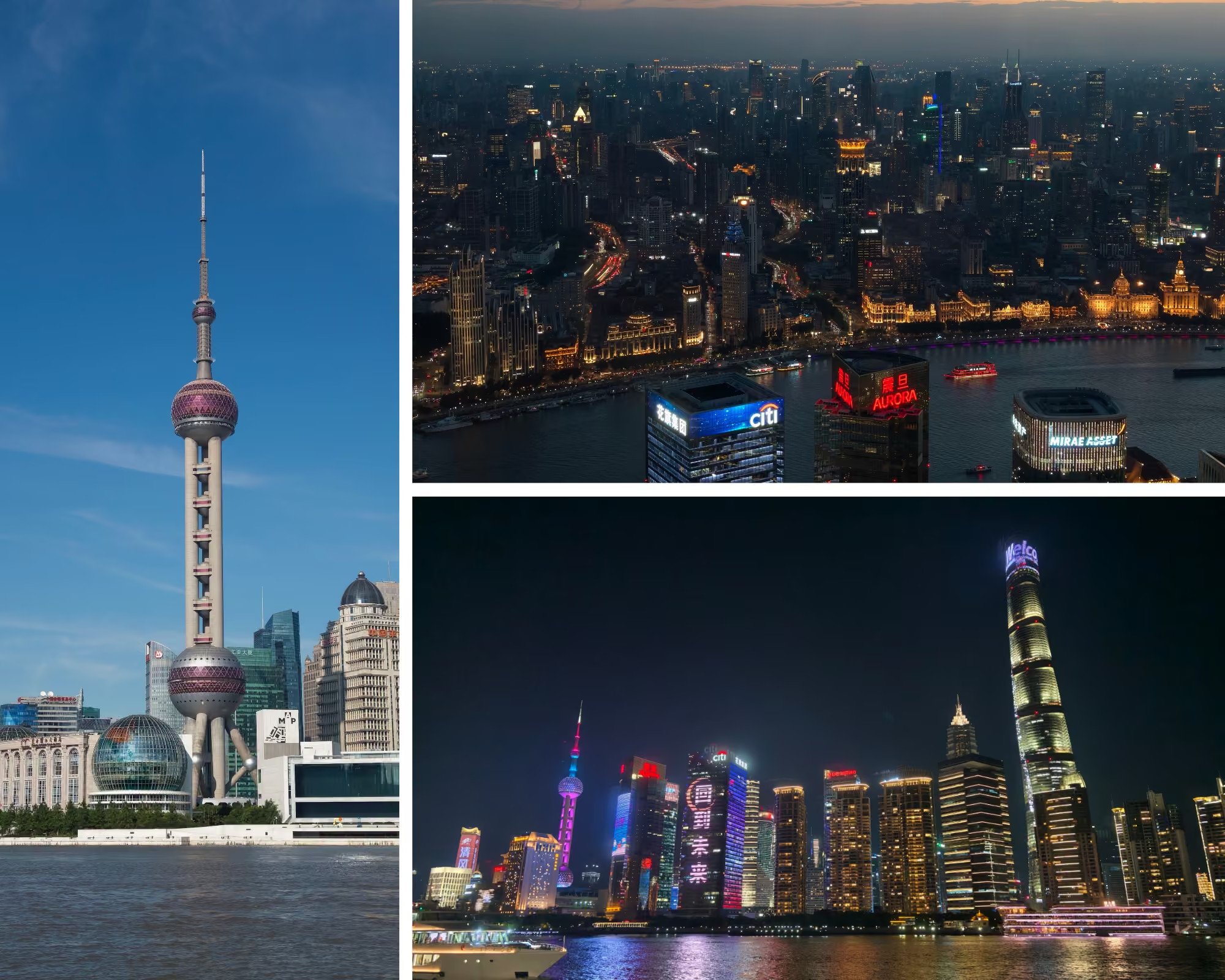
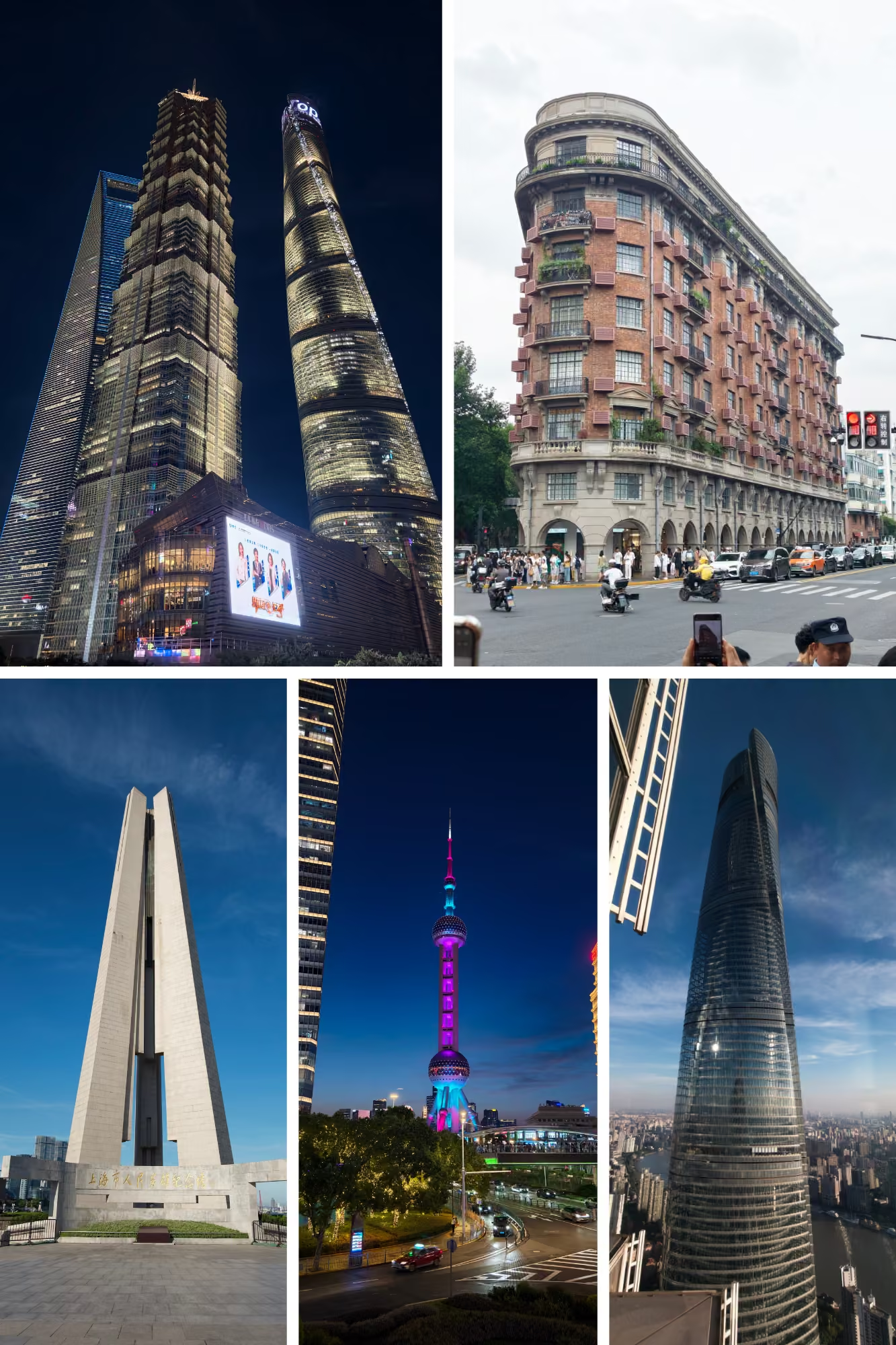
The Bund encompasses the traditionally European colonial area and is the richest tourist spot in Shanghai. Old European buildings line the boardwalk, while the pedestrian street is filled with dozens of multi-story shopping malls, novelty stores, and large light exhibits. From the boardwalk, you can see three big towers in the Pudong (浦东) district, each offering a skyline view of the whole downtown district! It's really something at night:
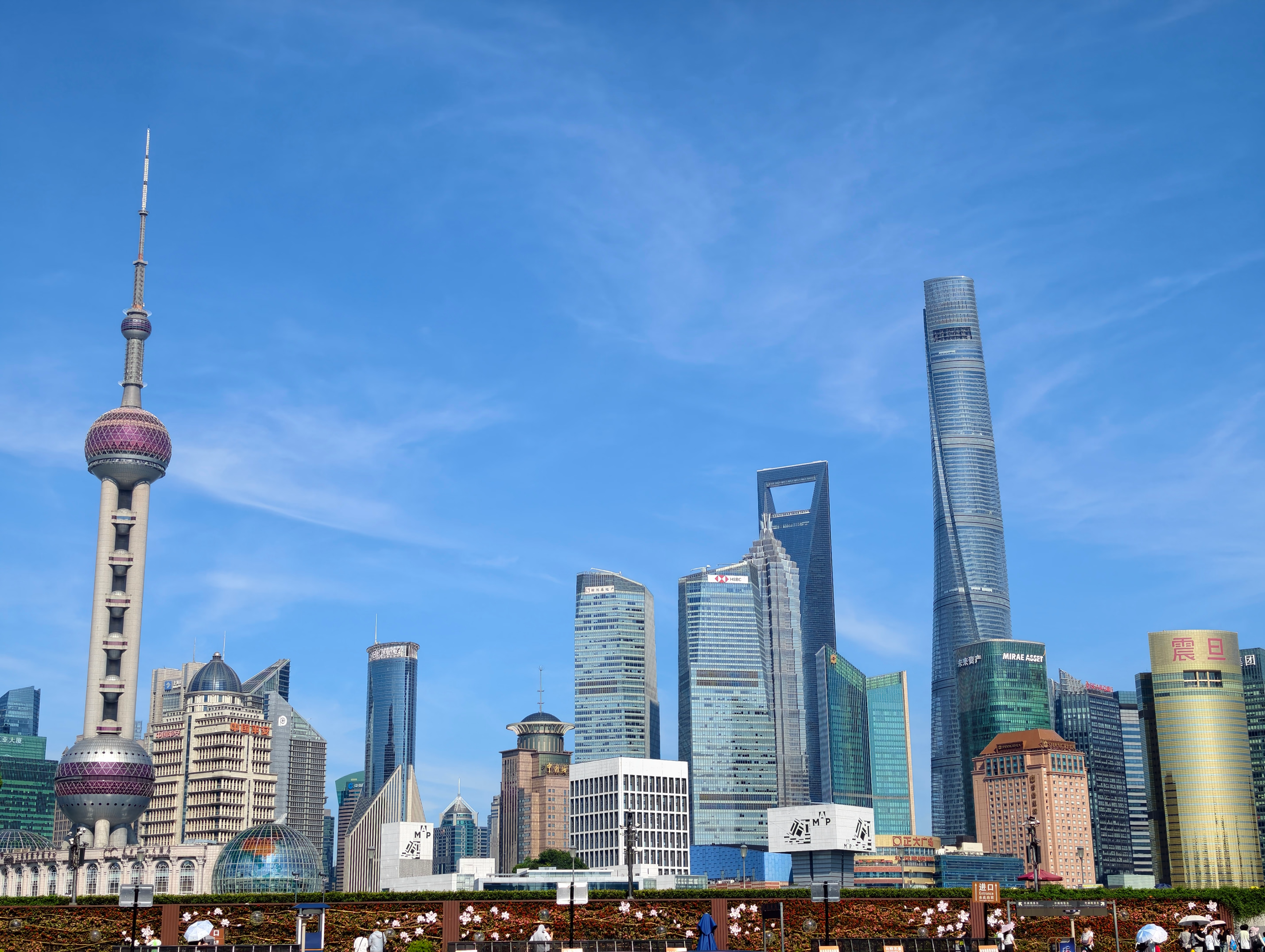
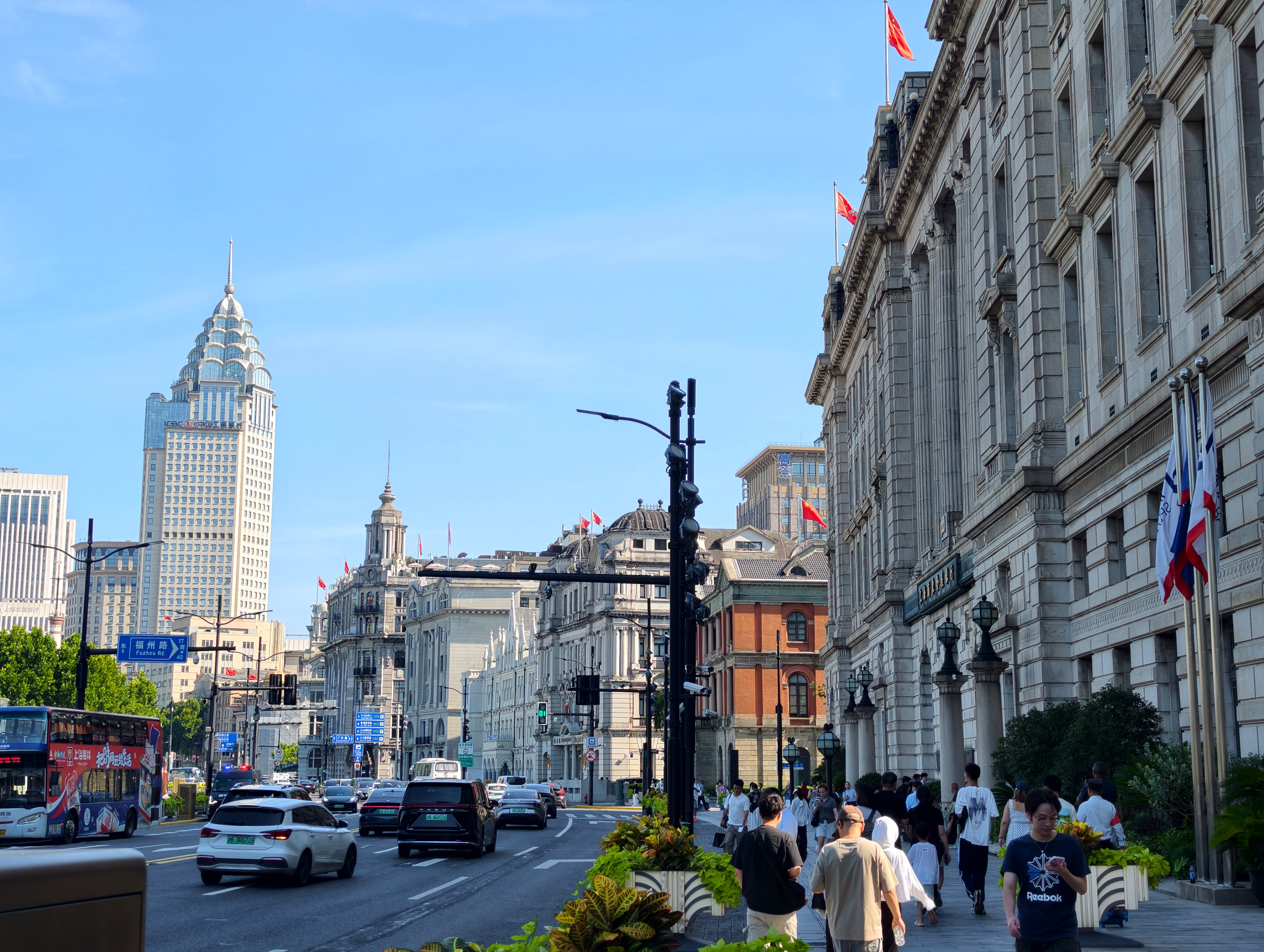
Transit in Shanghai is very comprehensive, especially the subway network. I was particularly thankful for it when my second typhoon hit Shanghai, and everyone was forced inside. Staying directly above a station meant I could travel to various malls and museums without needing to step outside, a lifesaver.
AGM Conventions!
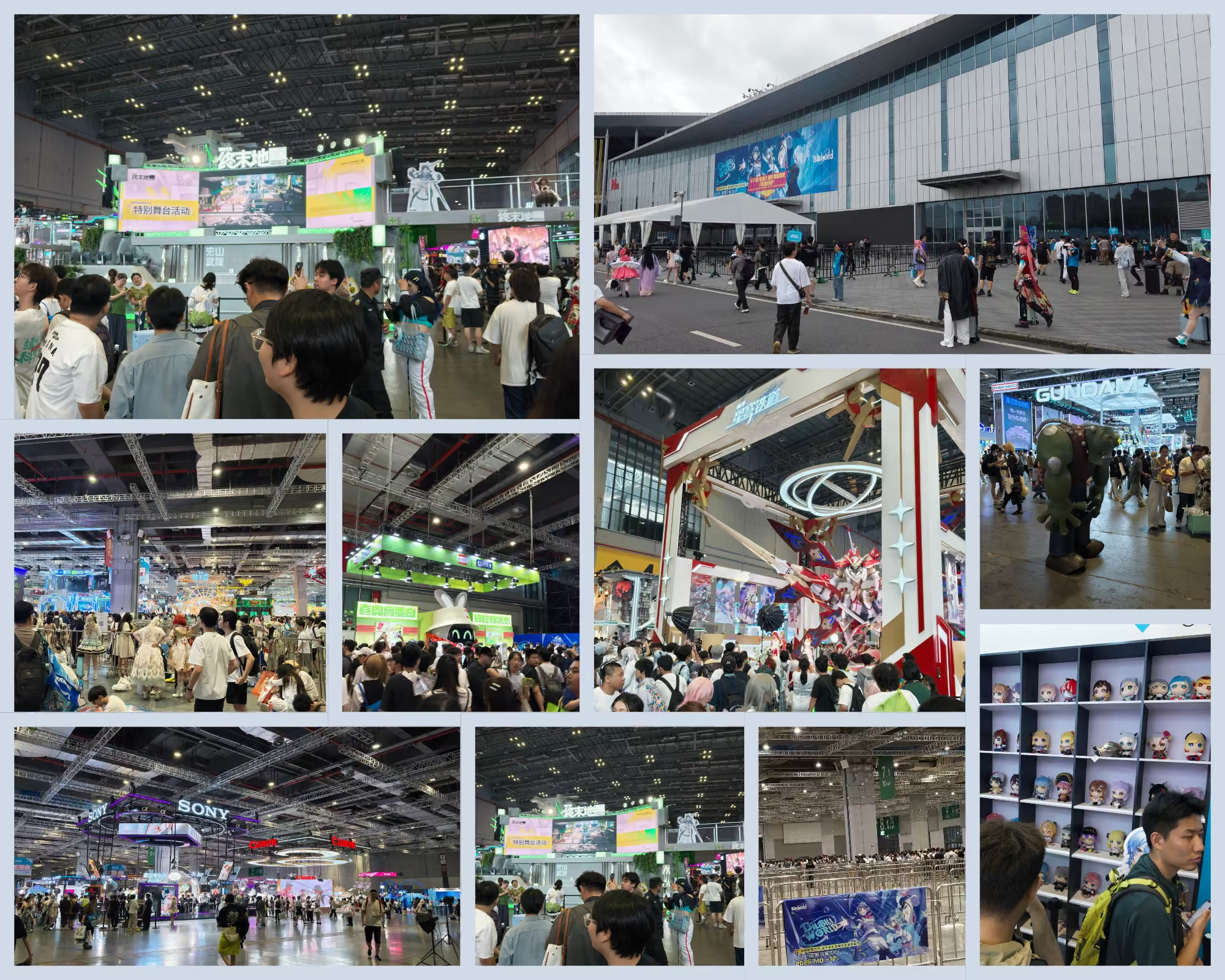
Shanghai actually starts two weeks prior, where I took a weekend off PKU in July. For those who didn't know, this city is the defacto capital of AGM culture -- Anime, Game, Music. A youth-dominated group that consumes and appreciates Chinese, Japanese, and North American multimedia. I actually attended 3 AGM conventions in Shanghai and Beijing, with the biggest being Bilibili World 2026. Estimate size - 150,000 up to 500,000 attendees year on year!
Even with the world conspiring to stop me from going, I managed to get in; desperately scalping my single ticket, hunting for a hotel that hasn't doubled in price, and having my return train cancelled by an impending typhoon. BW itself was massive as expected, taking up the entire convention center and hosting every known gaming and anime brand on earth. Cosplayers flaunting inside massive booths while pop up shops process lines upon lines of exclusive merch for attendees.
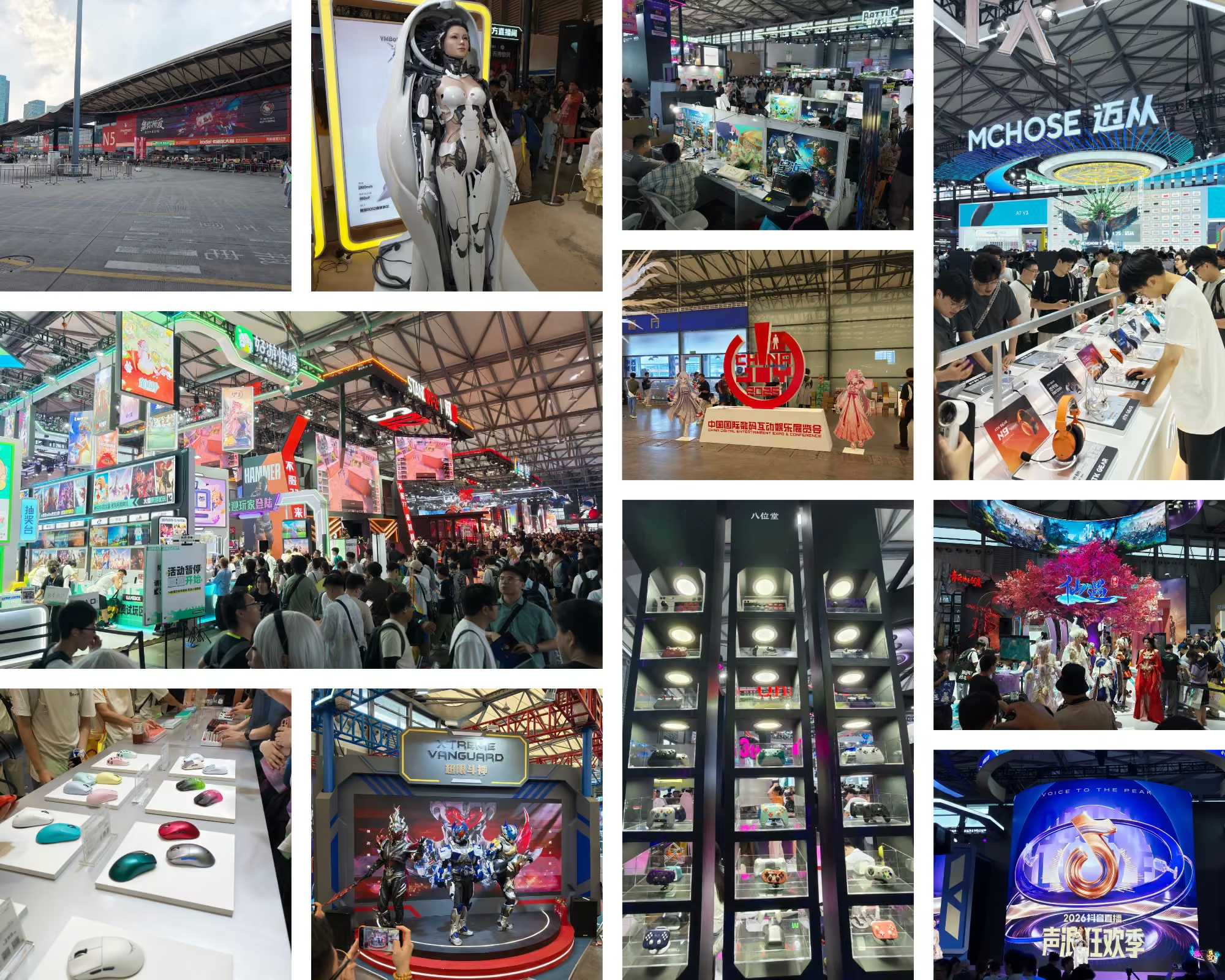
The other major convention in Shanghai was Chinajoy 2026, focused more on domestic and international video games. Also a massive commercial convention, filled with game studios, gaming peripherals, computer components, and cosplayers.
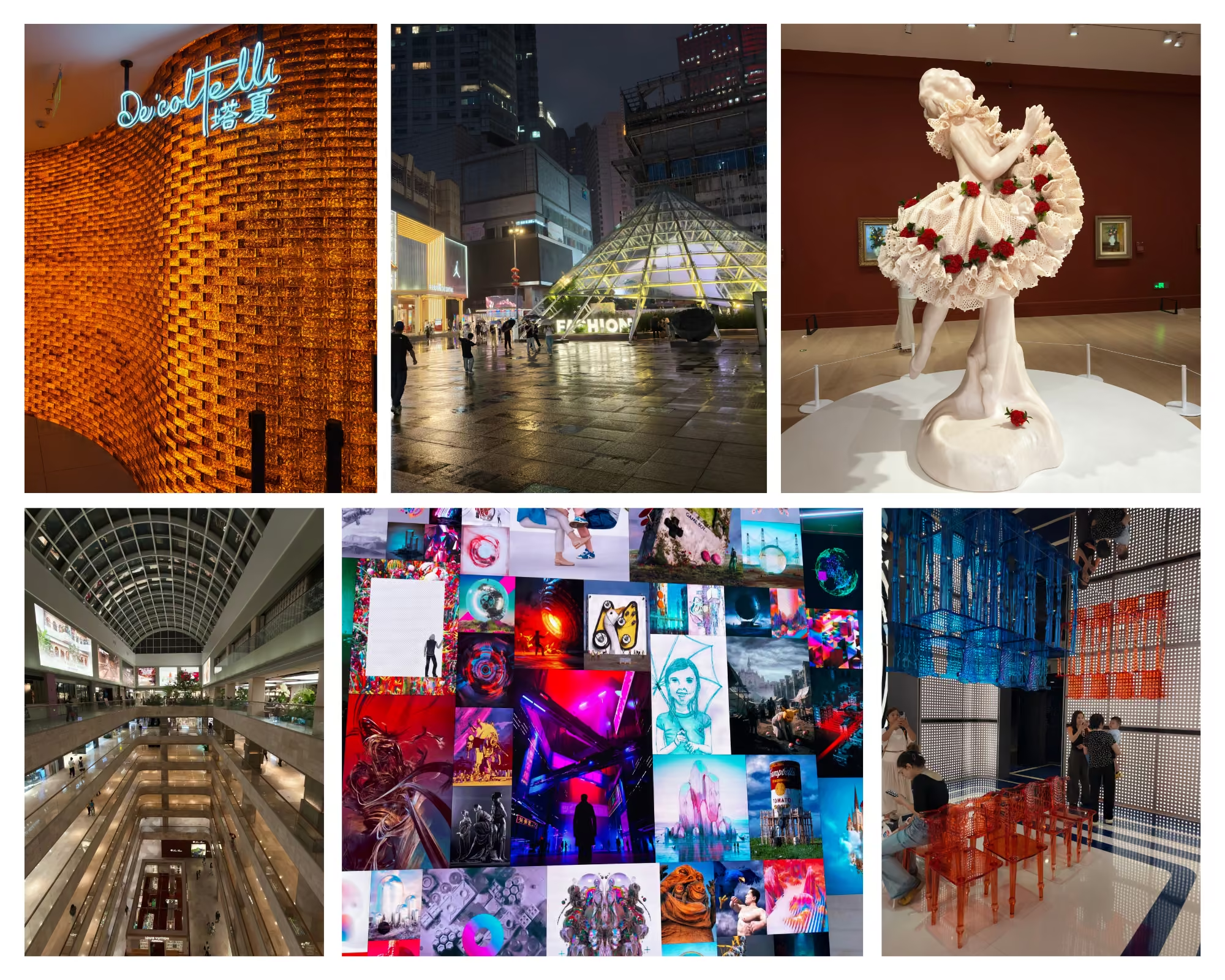
And finally, this doesn’t even include all malls dedicated to AGM and pop culture in Shanghai. Along the Bund, built into the subway statioins, the high visibility of anime and games felt the closest to Tokyo of any other.
![Collage of Shanghai anime malls]
Jiangsu 江苏 Beauty
Both provinces surrounding Shanghai, Jiangsu (江苏) and Zhejiang (浙江), are known for their remarkable natural beauty. The inspiration for many poetic works and ink paintings: mountains and rivers.
Tragically, a second typhoon hit the region while I was visiting, and I could not visit Hangzhou (杭州) in time. Nevertheless, I got to visit the two big cities in Jiangsu, albeit without dodging the impending rainstorms.
Suzhou 苏州
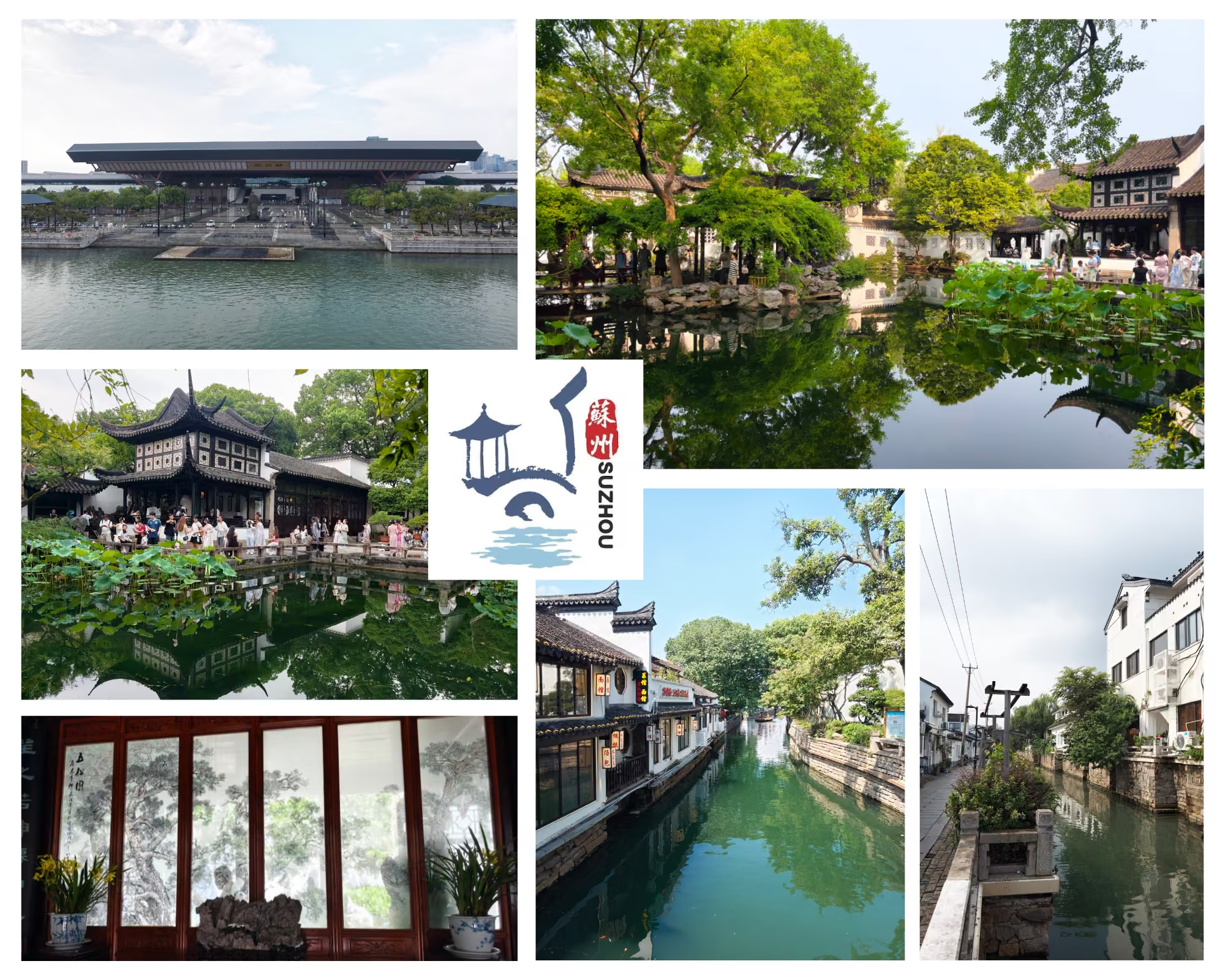
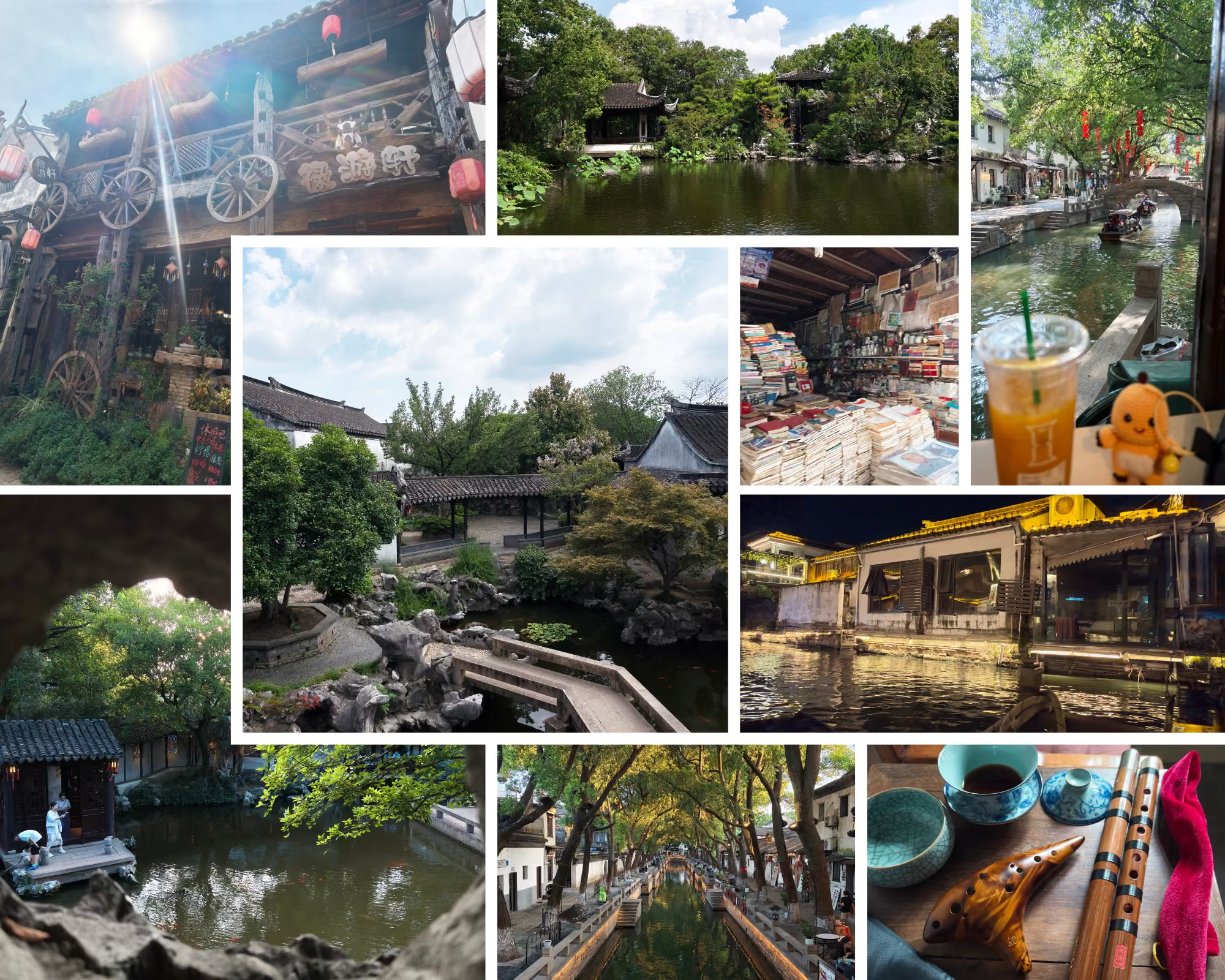
I took a couple of days to visit the nearby Suzhou during my stay in Shanghai. In complete contrast, Suzhou is world renown for its imperial gardens, curated over hundreds of years in a town that looks frozen in the past. Traditional regional architecture remains preserved throughout its residential districts, canals, commercialized market streets, and gardens.
Suzhou isn't just a hanging garden, though; the streets became bustling at night when the weather cooled, and the waterfronts along the canals flooded with tourists alike.
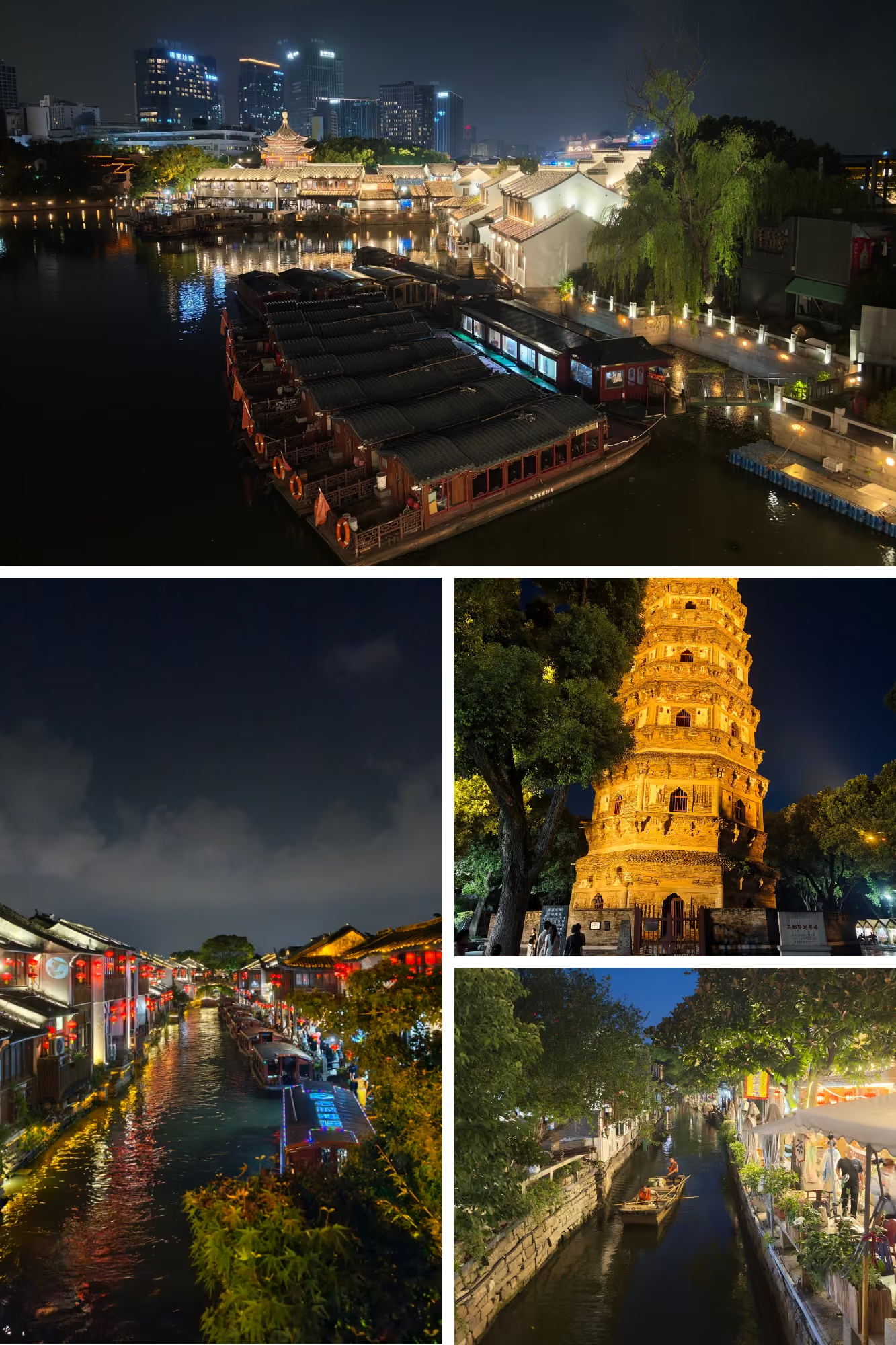
Tongli 同理 Ancient Town
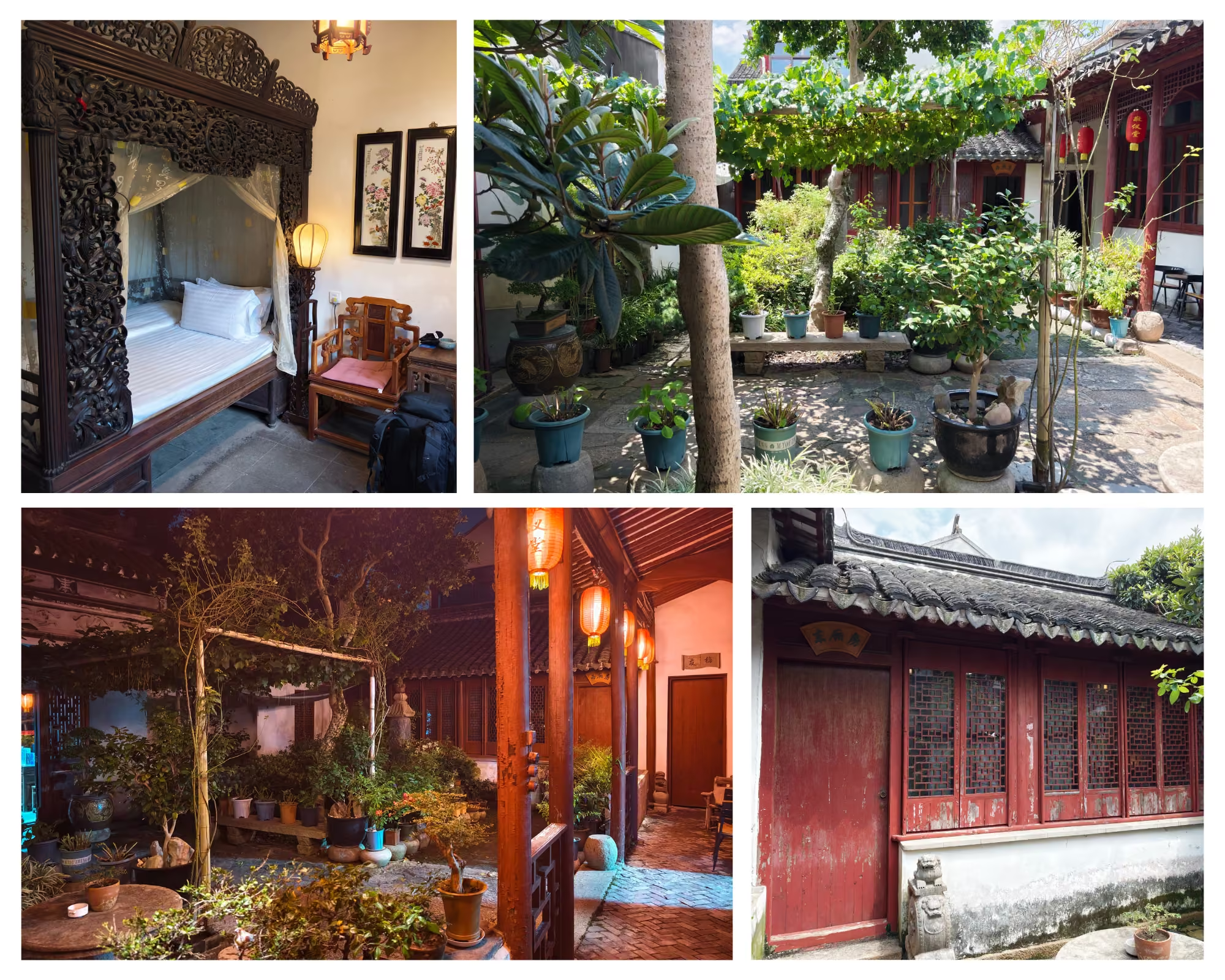
For a truly ancient town, I took an hour long subway ride down south to a quieter town. A pretty well-preserved ancient town, Tongli presents itself as a quiet escape. Cobblestone streets branches off the paved roads, as you can explore really old residents and gardens, ride along the canal network, and soak up the atmosphere at night.
I stayed in a traditional courtyard house predating the Qing dynasty. Alongside visiting the old residence of former magistrates and poets, being able to sleep in a 300-year-old room sure was an experience:
Nanjing 南京
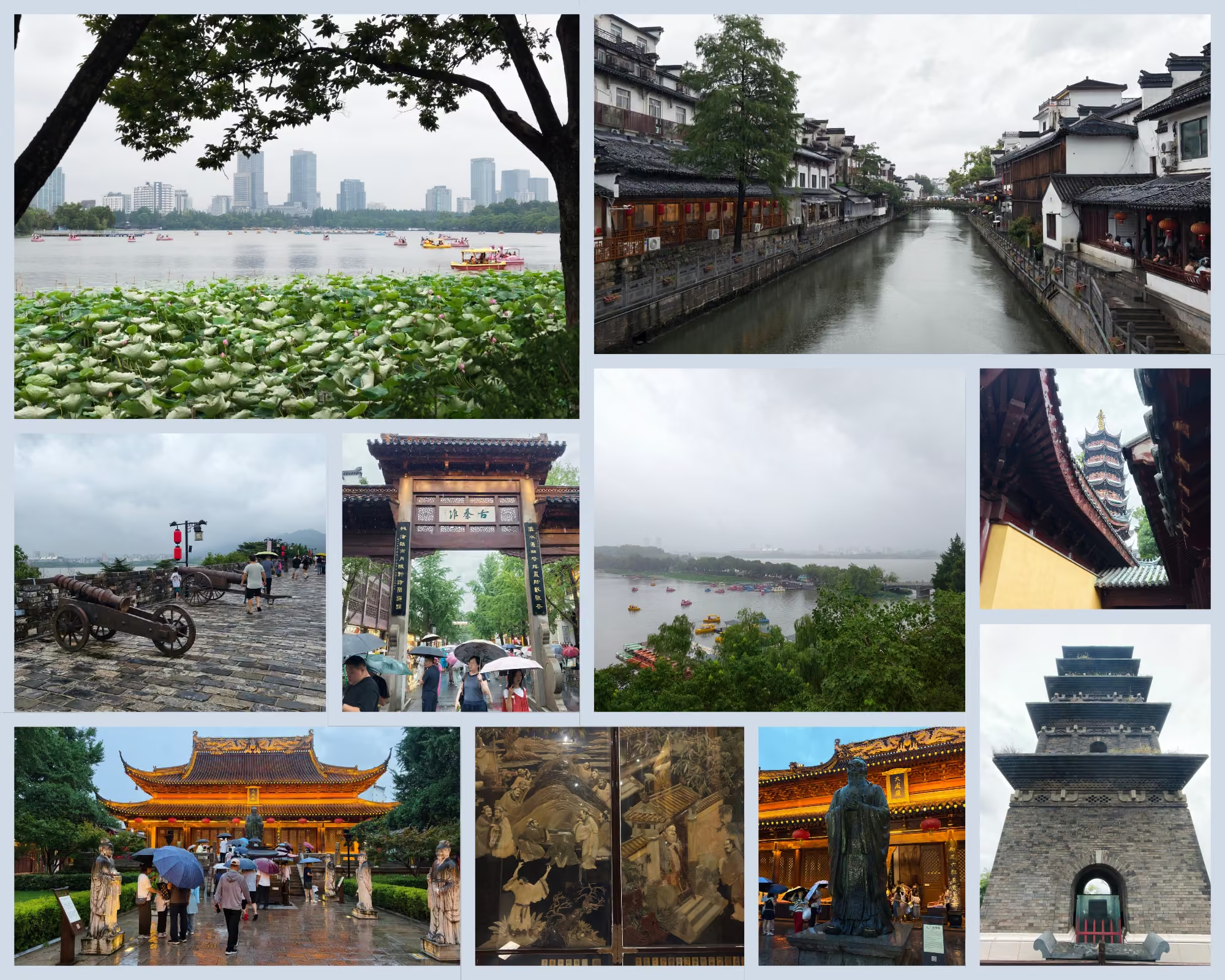
The old capital subverted my expectations when I first arrived. The city walls surrounding the lake park and temple complexes within 20th century apartments was what I envisioned from a historical capital. Living next to the biggest and densest commercial district in downtown Nanjing was a welcome surprise.
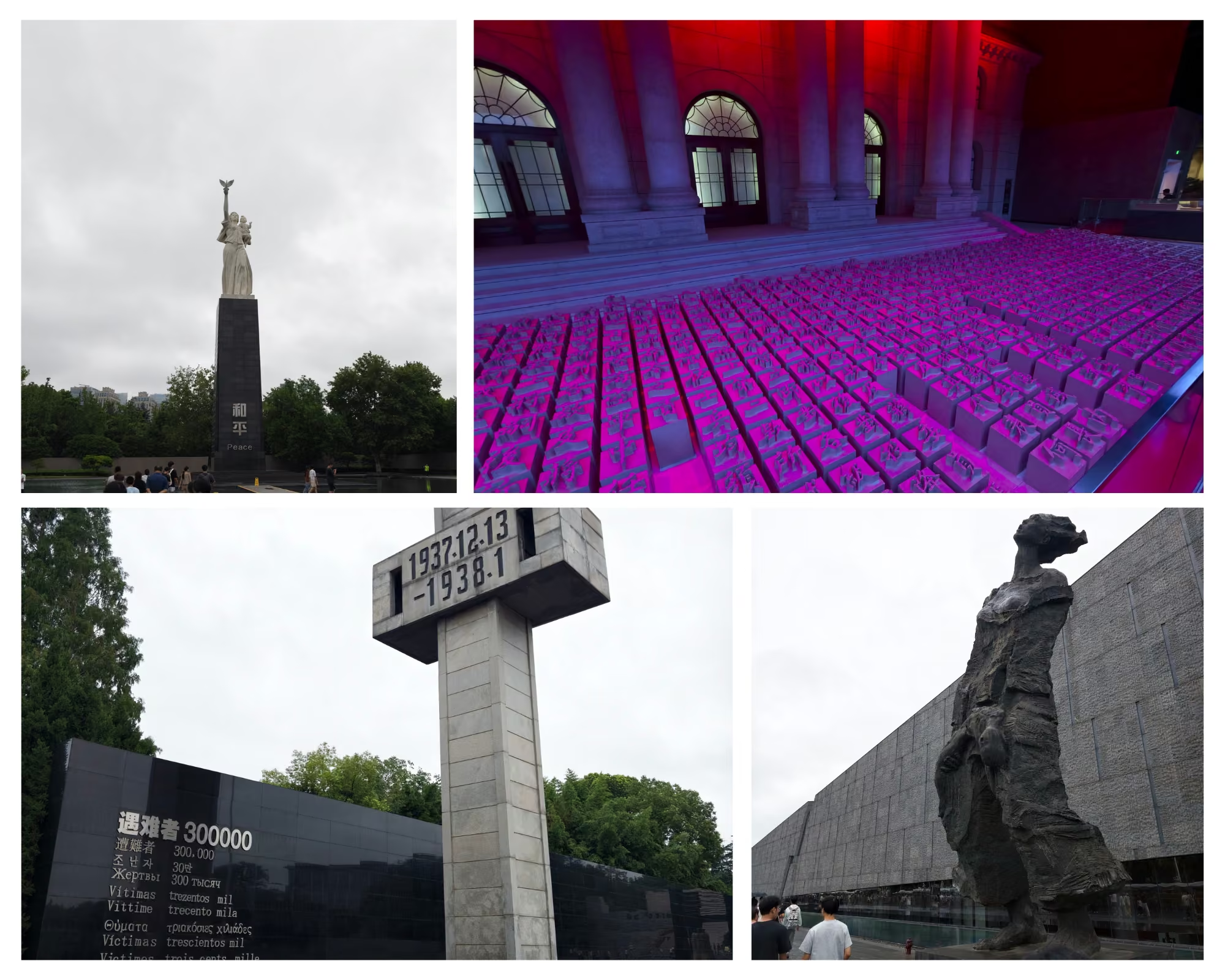
Finally, I ended my trip with a visit to what most foreigners remember Nanjing for: the Memorial Hall of the Victims in the Nanjing Massacre by Japanese Invaders. One of the most brutal acts of violence during WWII, this memorial gave an incredibly informative and detailed account of the politics, events, and aftermath leading up to and after the Sino-Japanese war and WWII. Artifacts, testimonials, and exhibits in Mandarin, English, and Korean. I love museums, and found this to be one of the best.
Wuhan 武汉
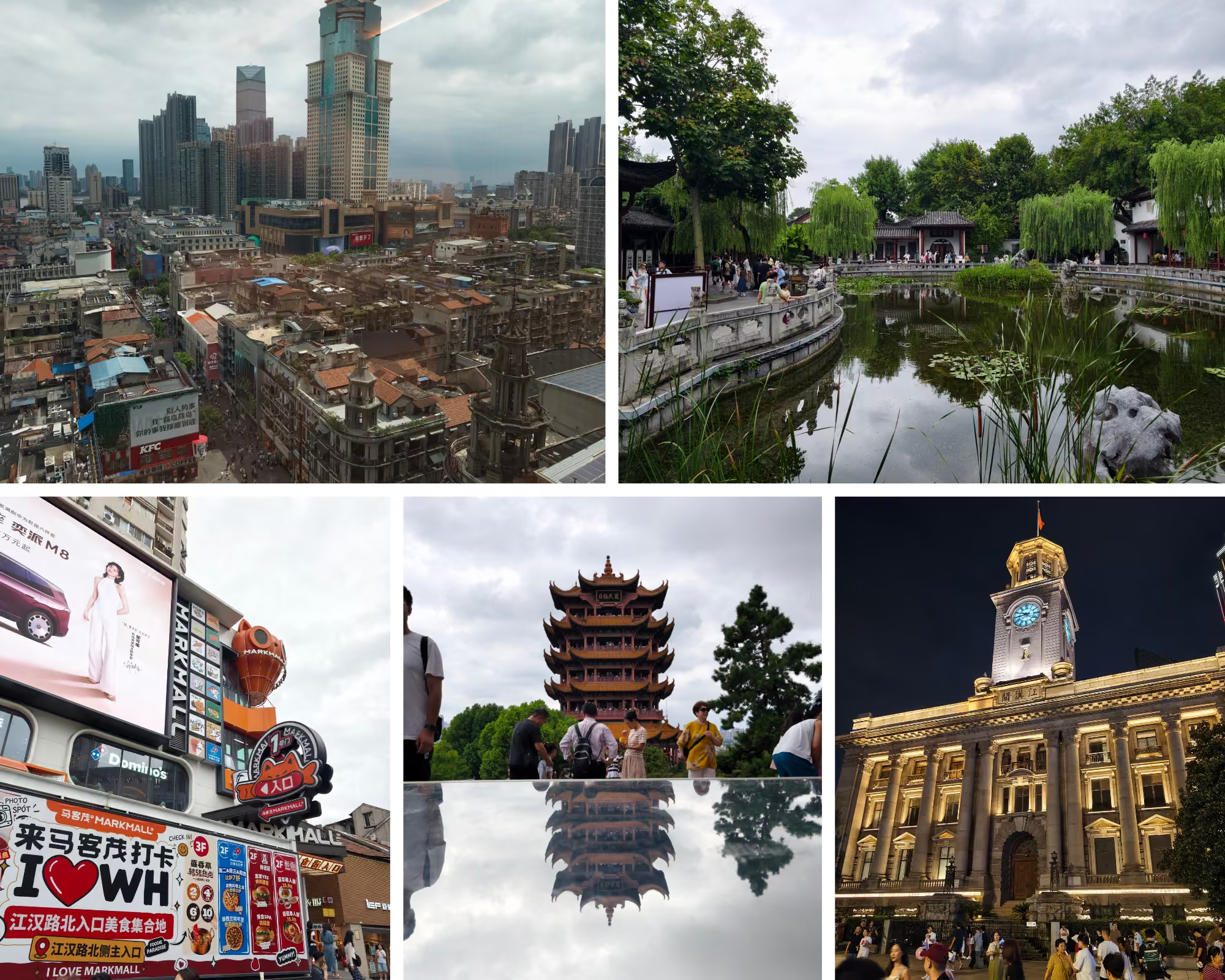
Although I only had a few days in Wuhan, this was some of the most fun I had since Shanghai, with crowds to match. Staying in a luxury hotel above an eight-story Anime mall, directly along the chaotic Jianghan (江汉) road, was really something else. Words fail to describe the energy I felt entering another major metropolitan again, but completely overwhelmed by a crowd that's less bussiness worker and more chaotic small town energy.
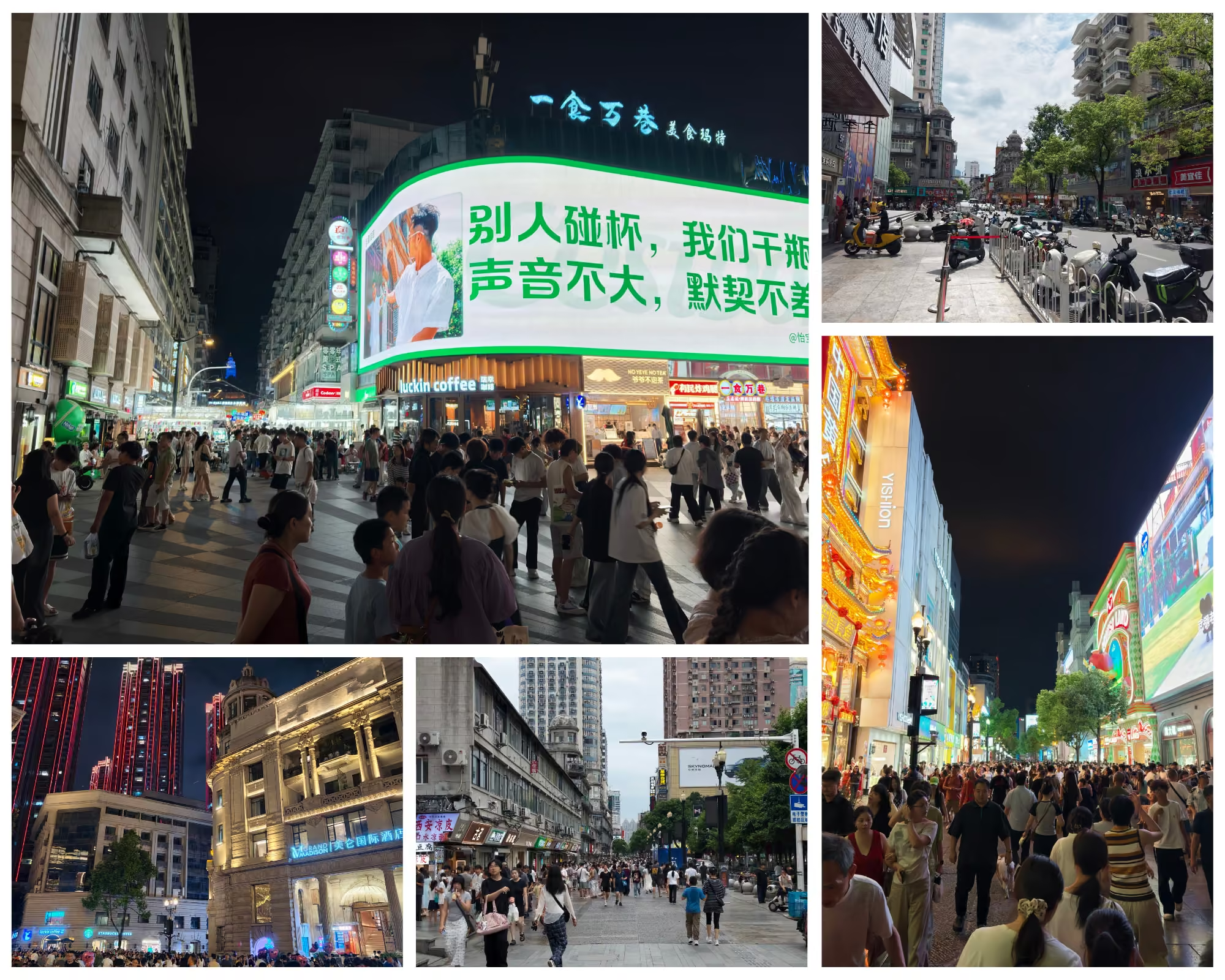
Getting new prescription glasses, a new watch, stocking up on hiking supplies, everything I needed within walking distance of this absolutely dense everything district.
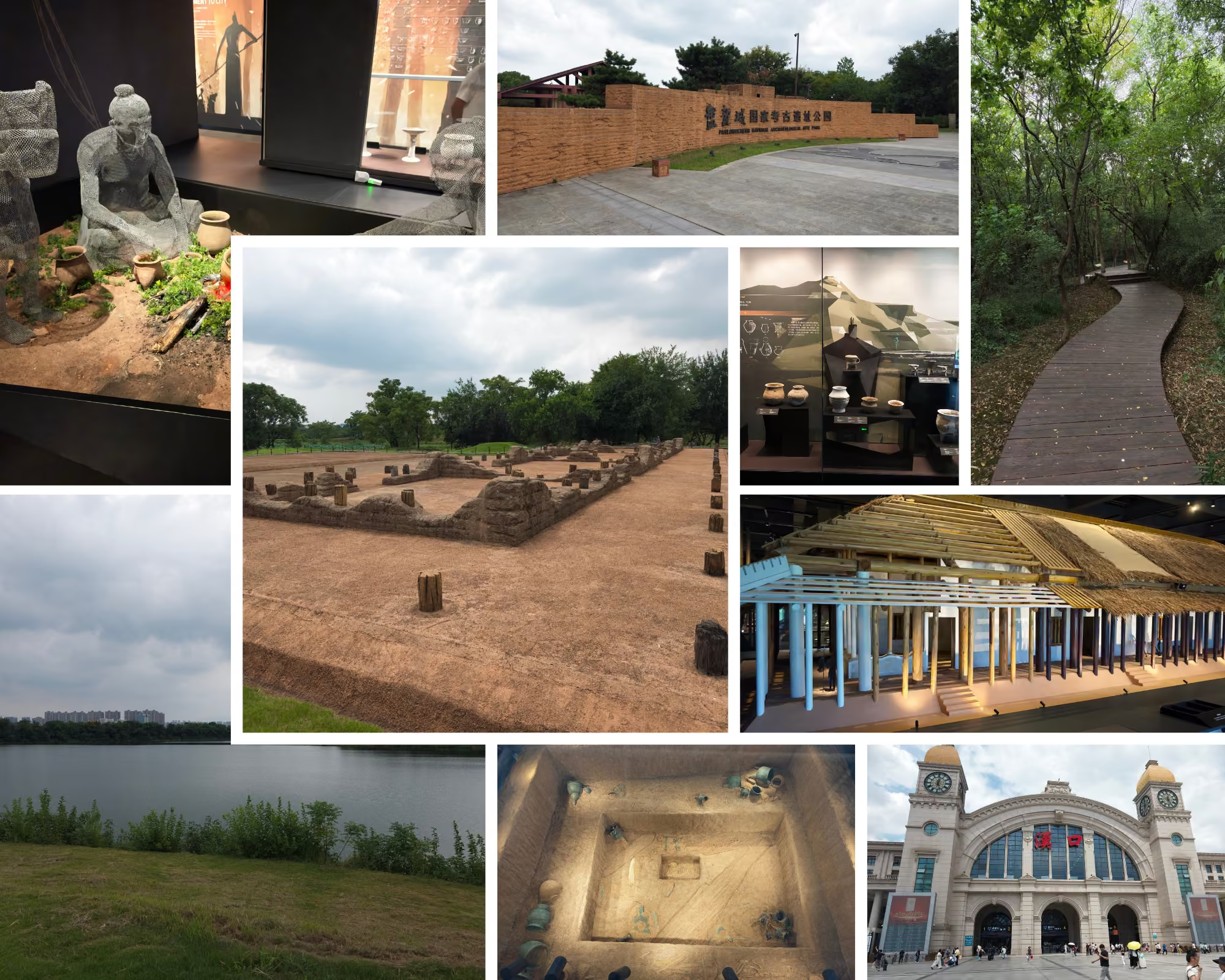
Wuhan is situated in an area rich in Chinese relics, with a well-established history and schools of archaeology, burial sites, and the national Hubei (湖北) museum. I was also visiting a friend who worked in Panlongcheng (盘龙城), a significant dig-site, and ancient settlement dating back to the Shang dynasty. A park open to the public, that day was a nice nature walk, mixed with walking on top of old walls and past century-old burial sites.
Central Plains and Natural Wonders
My final stretch takes me into the center of China, into the heart of the Yangtze river and towards the vertical mountains, or often called the "Avatar mountains". From here, I had to rely on a mix between trains, bikes, and various buses to get around.
Yichang 宜昌
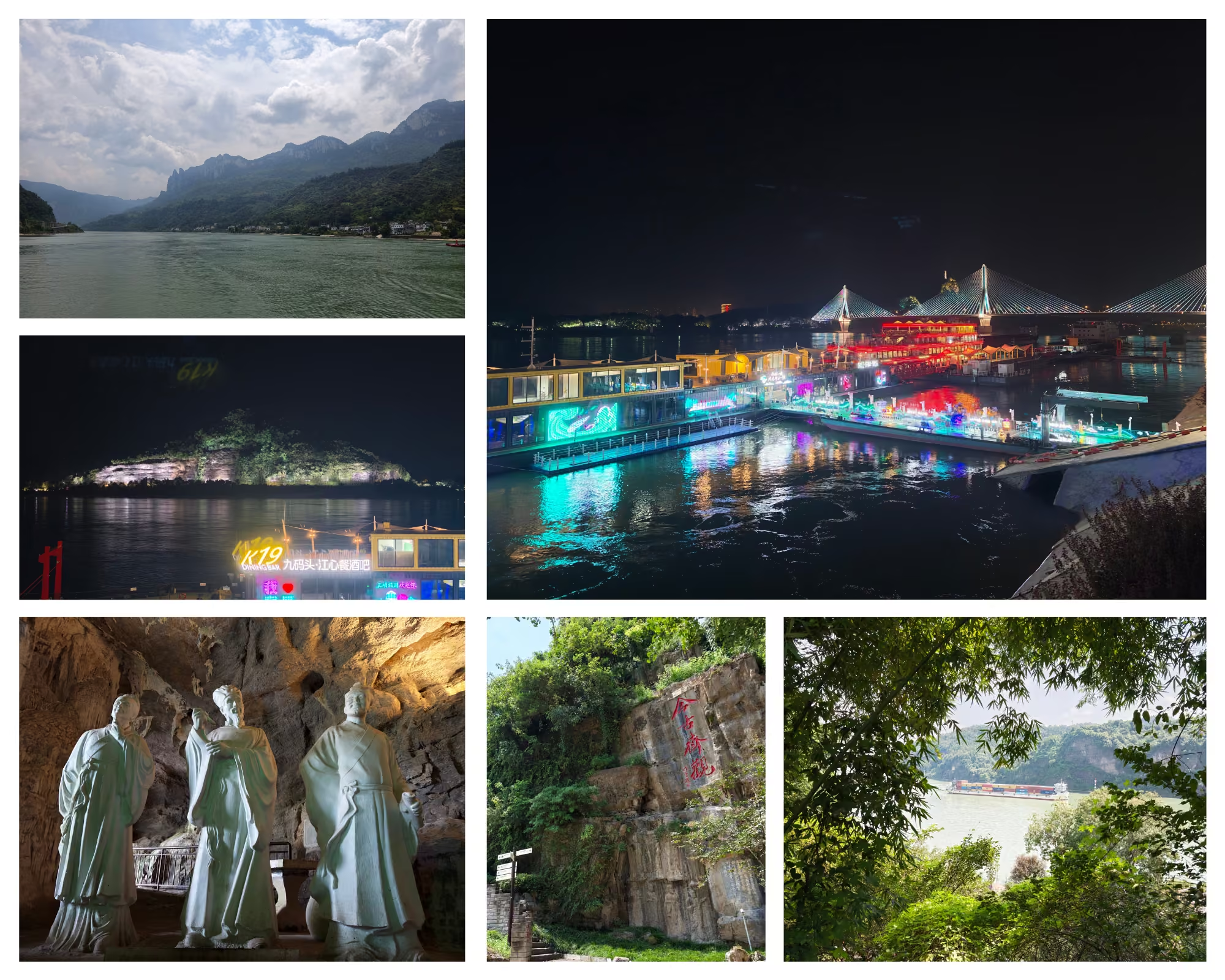
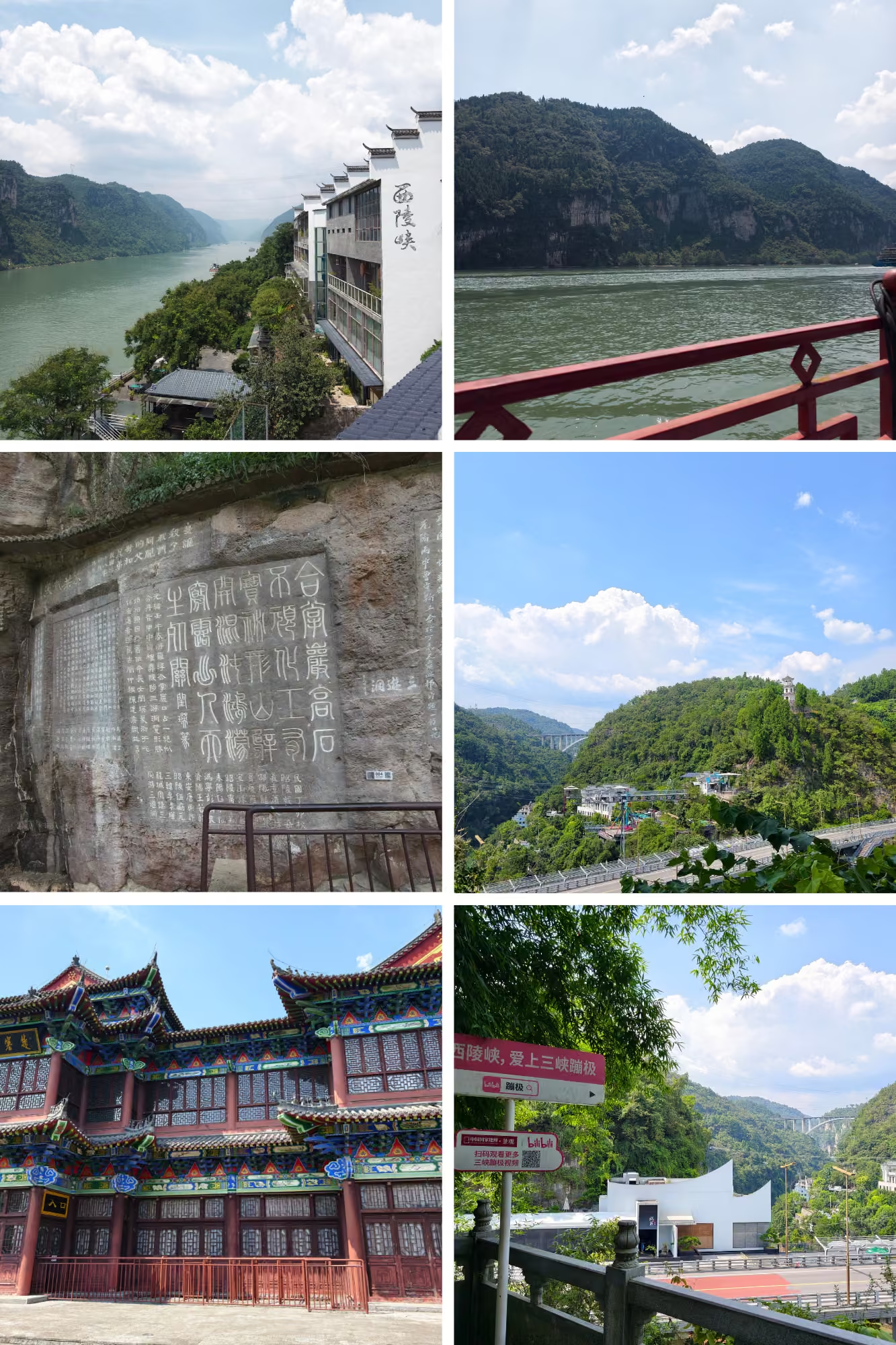
Best known for its river cruise along the Three Gorges and the dam, Yichang is a cosy town and port situated at the base of the Yangtze. I had two adventures, the first being a bus ride to the first gorge and exploring the caves of poetry along the river.
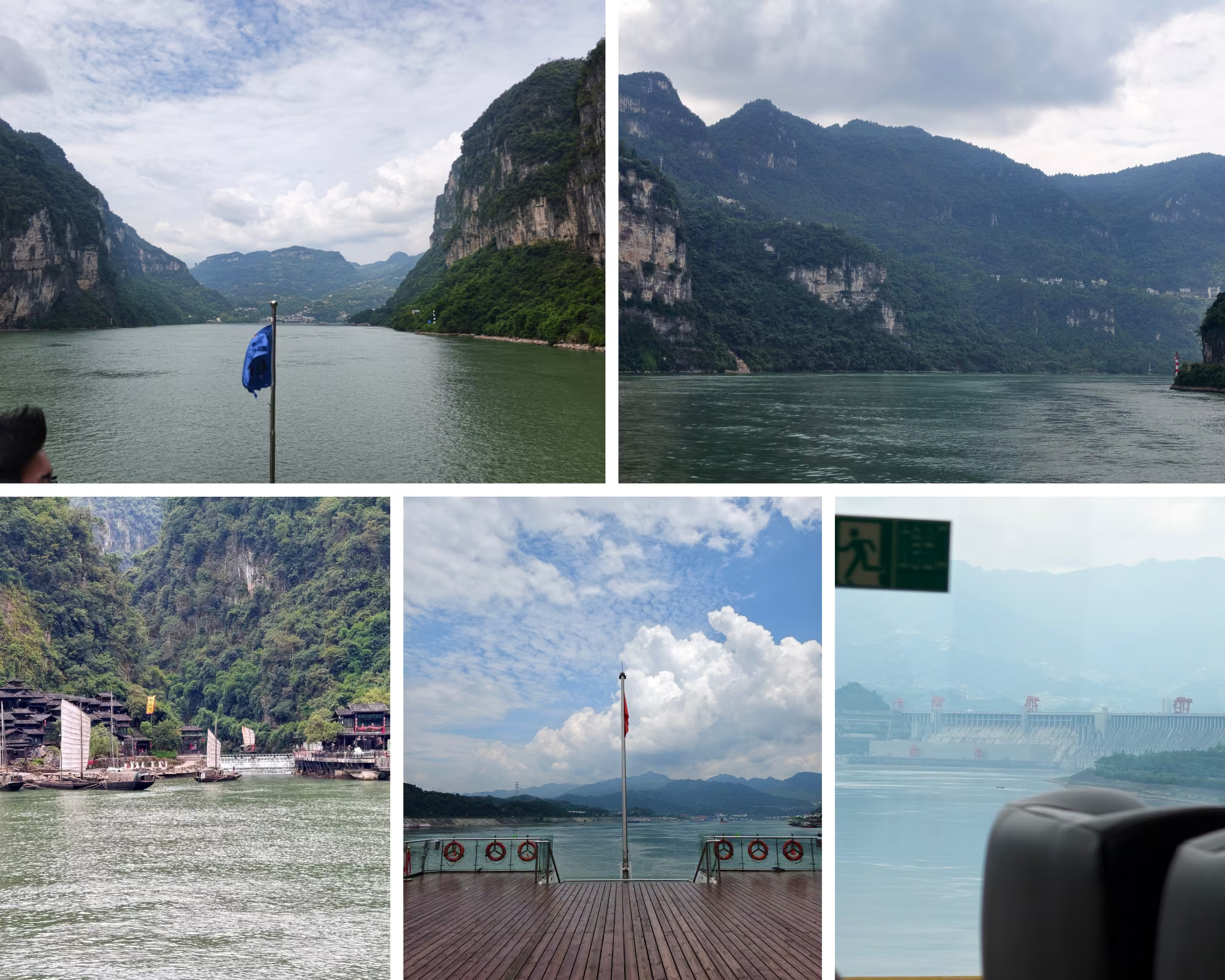
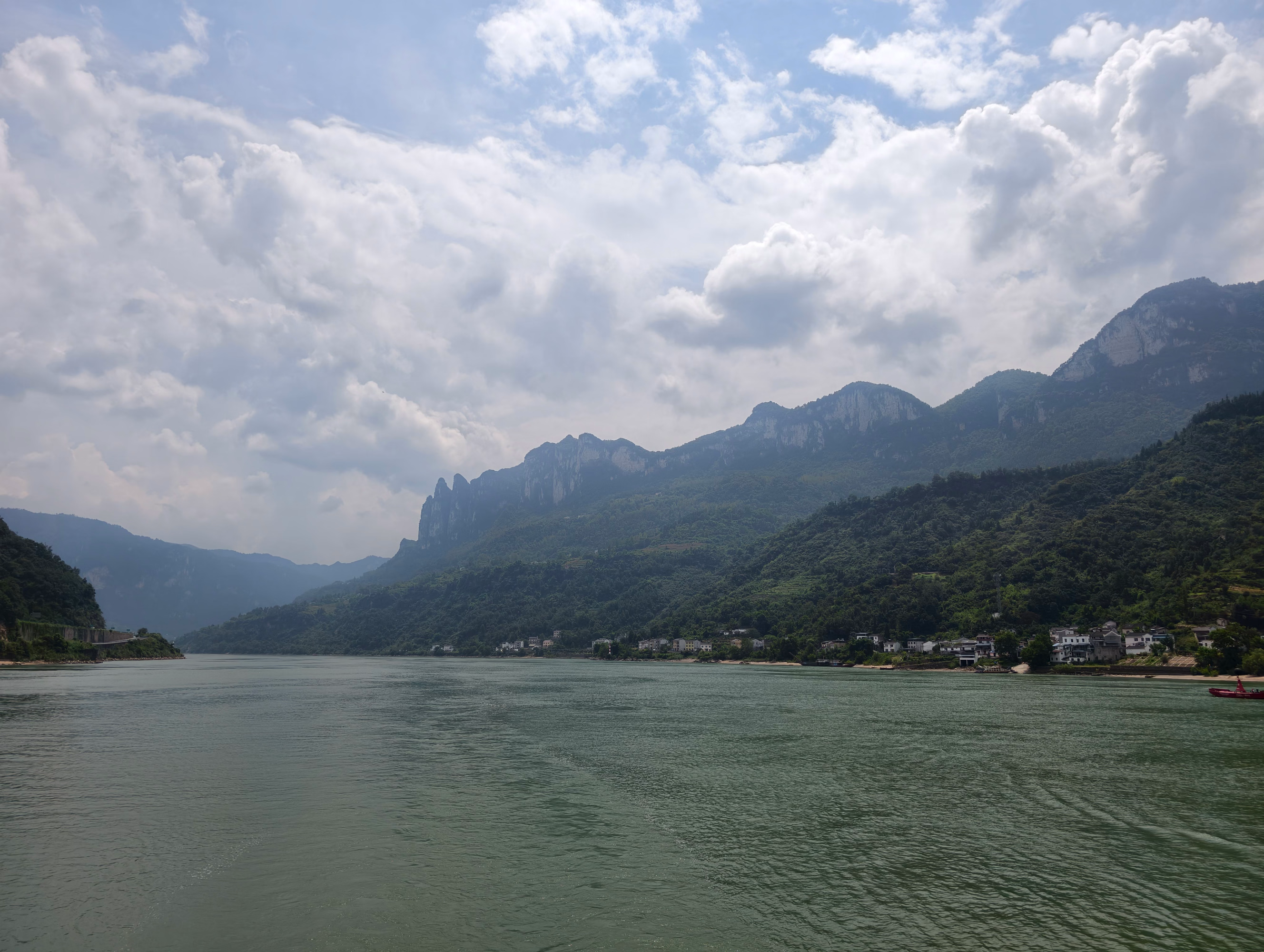
My second was a cruise up the river to see the first gorge. It first travels up a dam before navigating through the narrow valley. Steep rock faces block both sides, while the quiet hum of the ship blends into the surreal, peaceful feeling of drifting through a pretty painting:
Zhangjiajie 张家界
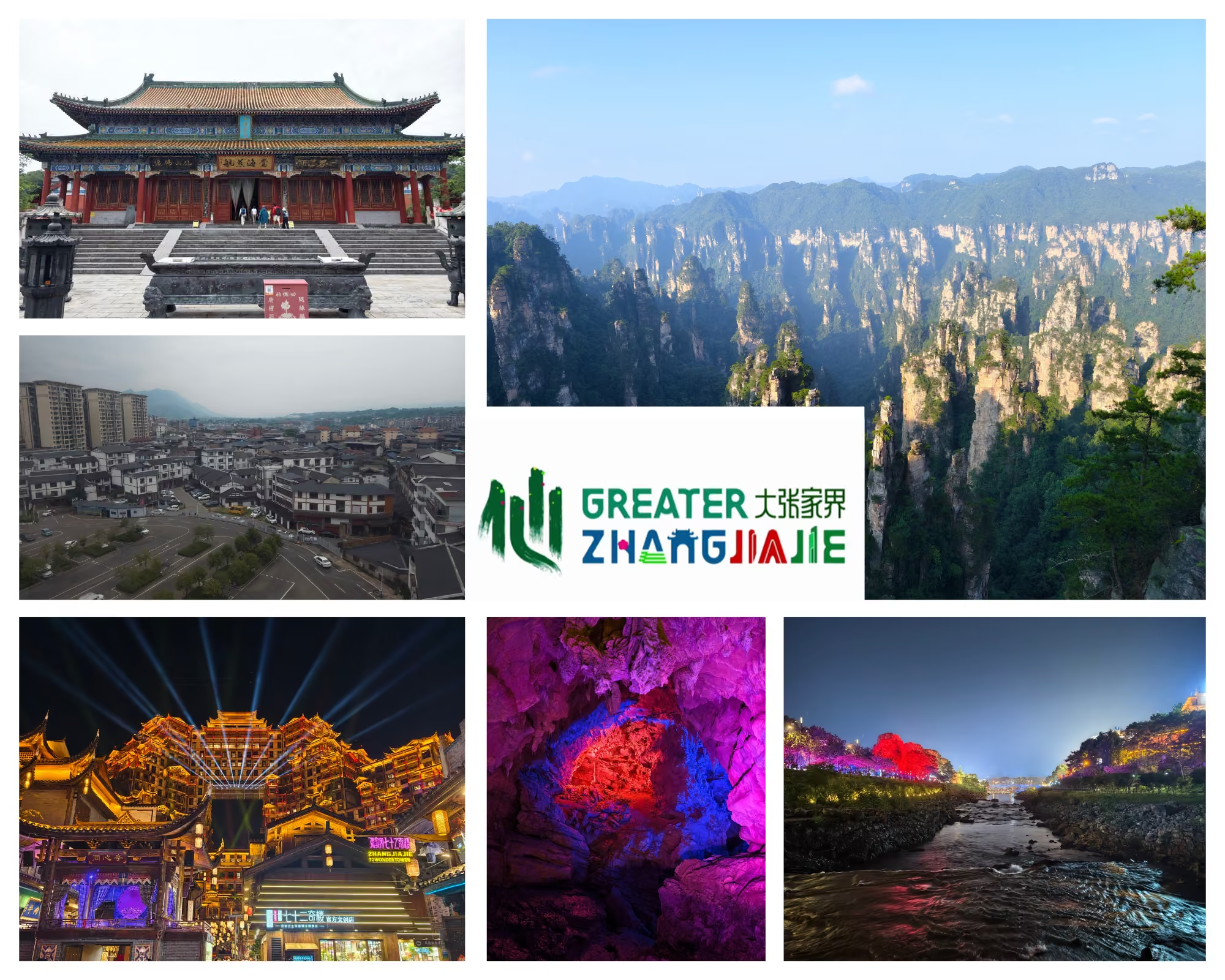
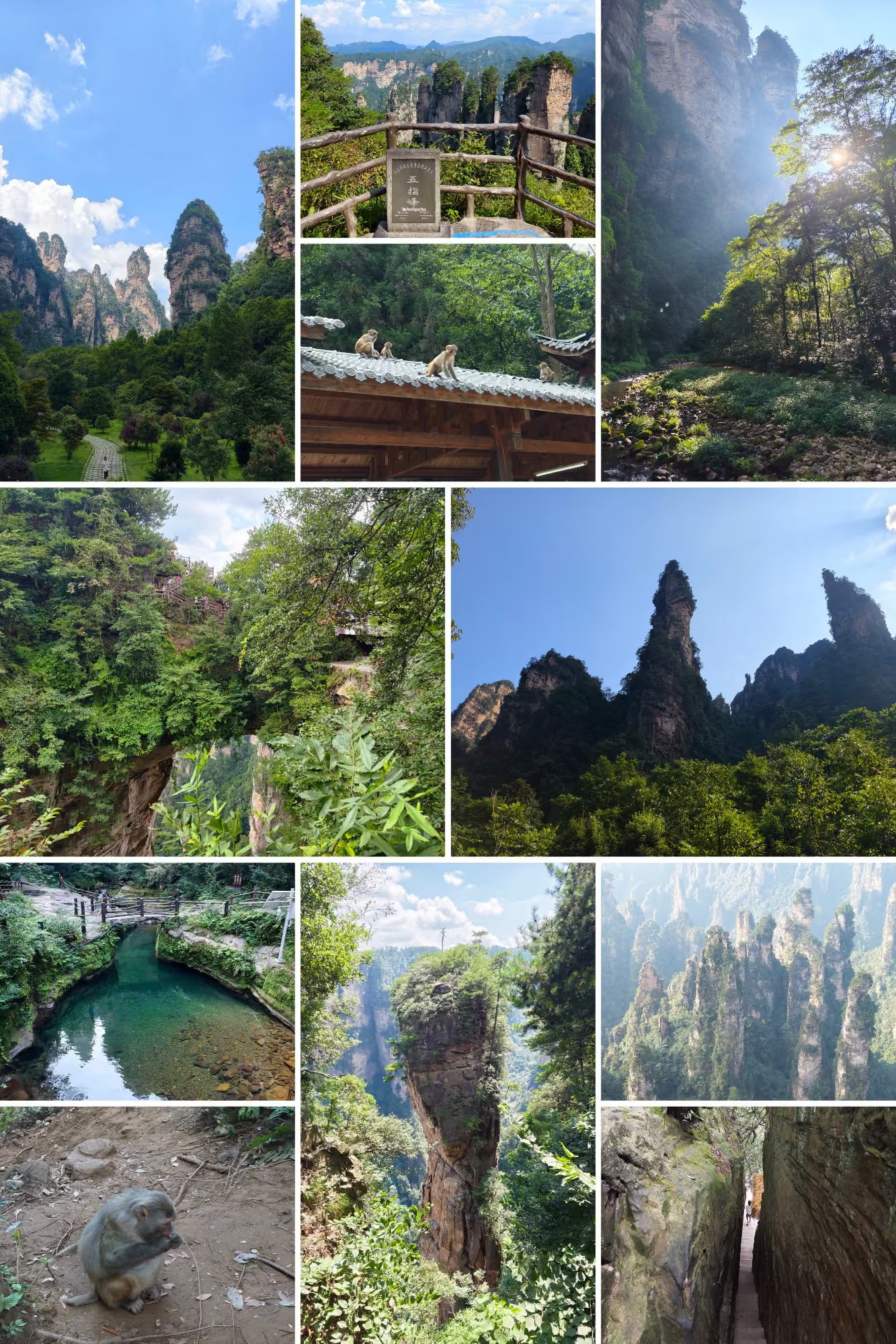
Three national parks in close proximity, a UNESCO World Heritage site, and home to the Tujia (土家) ethnicity. Zhangjiajie is a must visit for hiking and nature-loving enthusiasts, with its vast and varied sites and easy accessibility once you figure out the system.
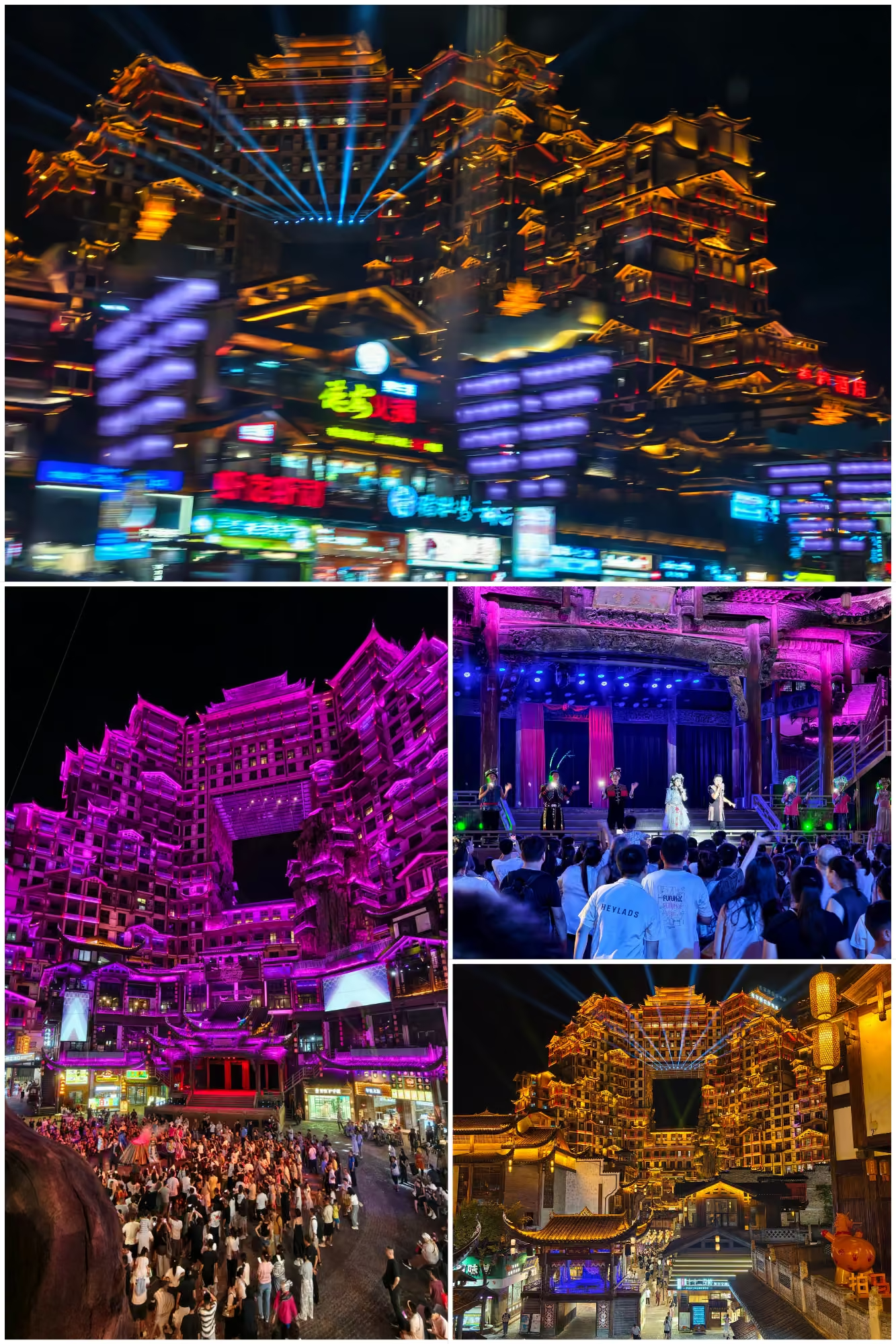
The main town of Zhangjiajie also has its own attractions to see. My favorite spot was actually the last place I visited before flying back, the seventy two story building (七十二奇楼). Already a bright tourist area filled with bars and shops, the surreal tower in the center becomes a light show. I managed to catch their weekly big performance around a bonfire and joined an awesome dance mash to cap off my trip.
Tianmen (天门) Mountain
Directly connected to the main town by cableway, Tianmen mountain was my first hike. With its stunning verticality directly above the town, historical importance, and stunning natural beauty, Tianmen is an easy recommendation for anyone traveling in the area.
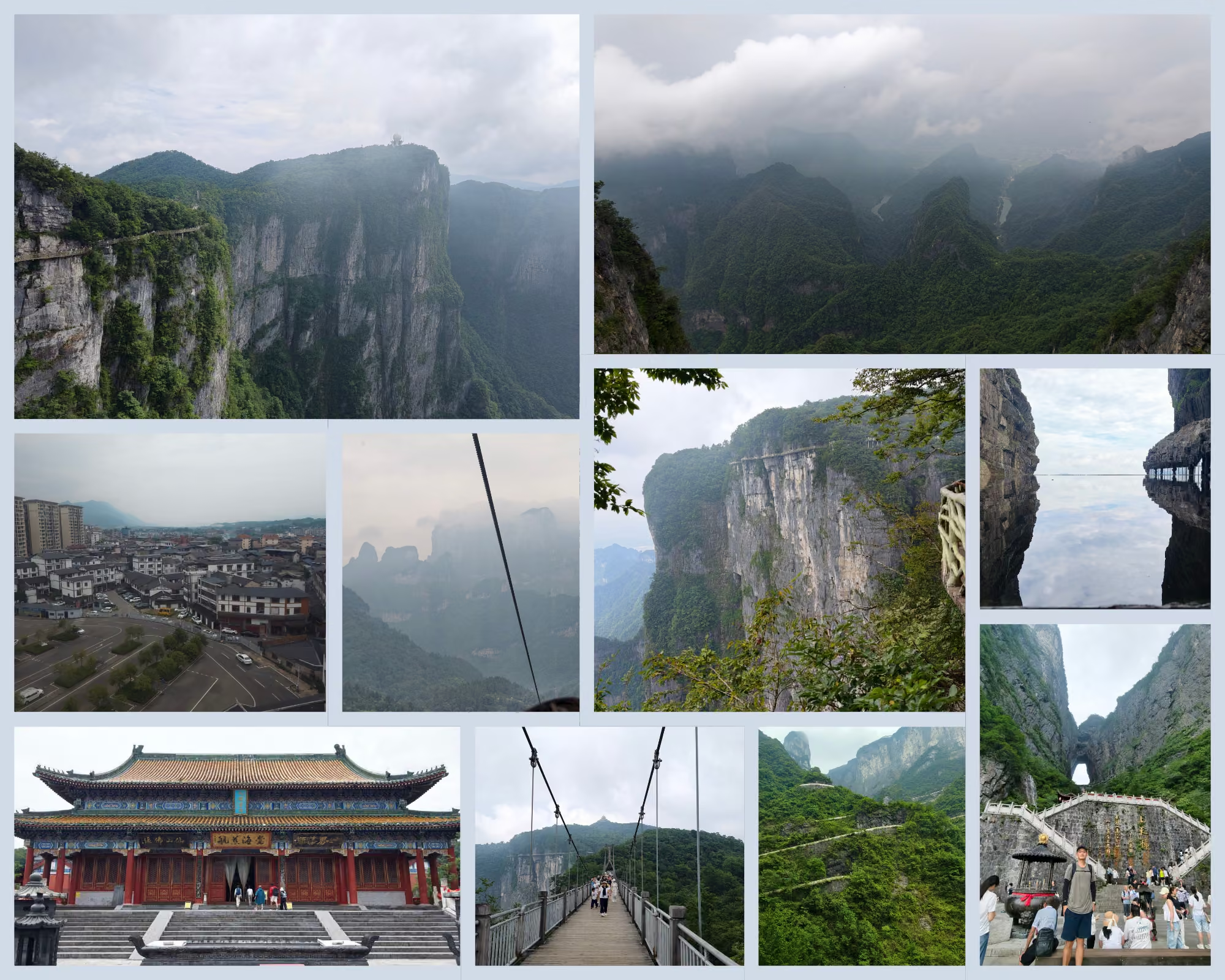
Also apparently a popular spot for extreme sports like parachuting, parkour, and wing suit gliding. That day was the international street dance competition, and with such a view, no wonder they're hosting it on top of the mountain.
Zhangjiajie Grand Canyon
With an extra day, I also visited the Zhangjiajie Grand Canyon, known for the world's longest glass suspension bridge and a beautiful valley below.
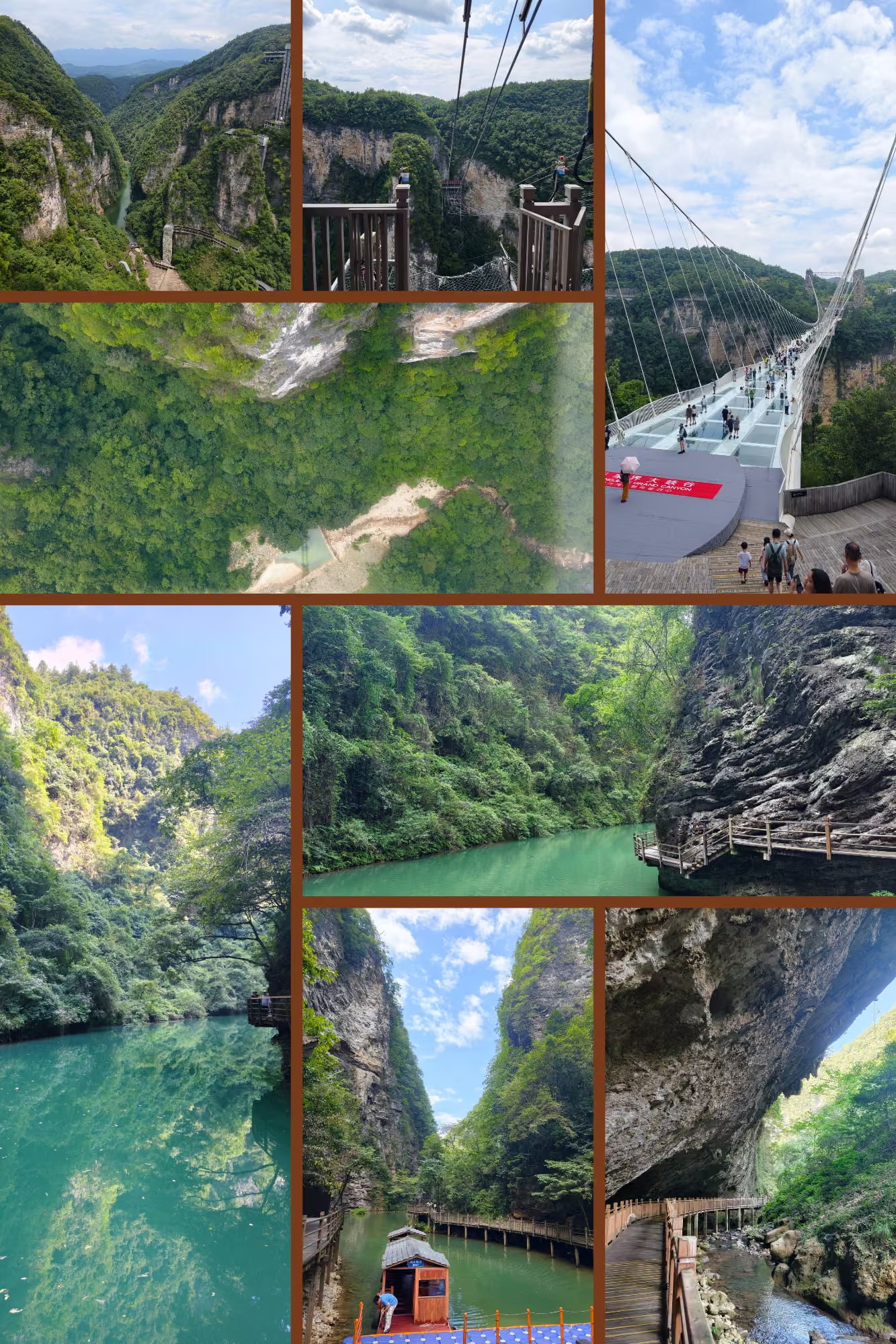
Unfortunately, the glass is pretty scratched after so many years, but at least the zipline and boat ride were beautiful.
![Collage of Zhangjiajie canyon]
Zhangjiajie National Park
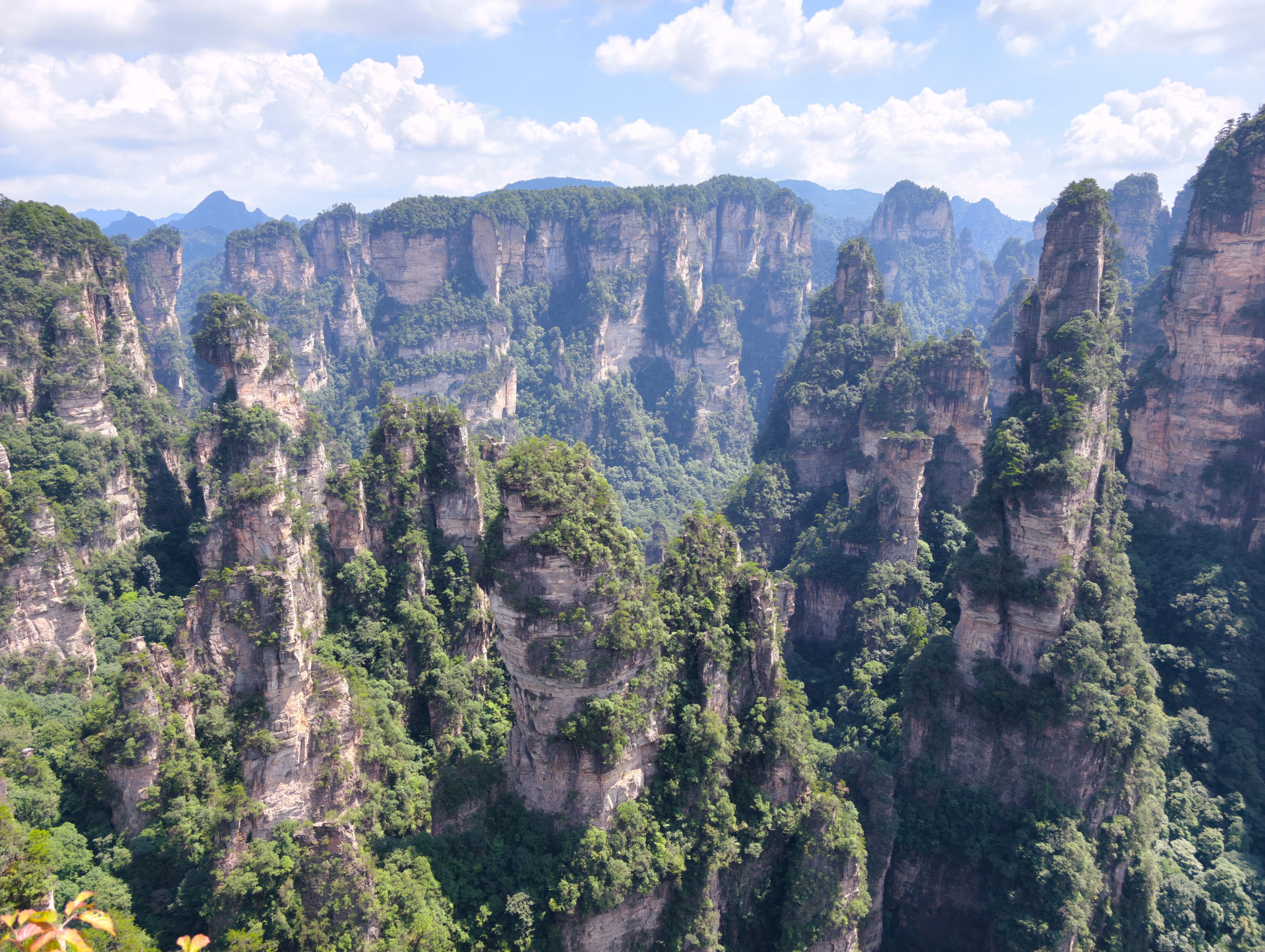
The main attraction, a massive UNESCO park serviced by cableways, shuttle buses, and multiple gates linked to different routes. I moved to Wulingyuan (武陵源), a smaller hamlet next to the East gate and a very lively place in and of itself.
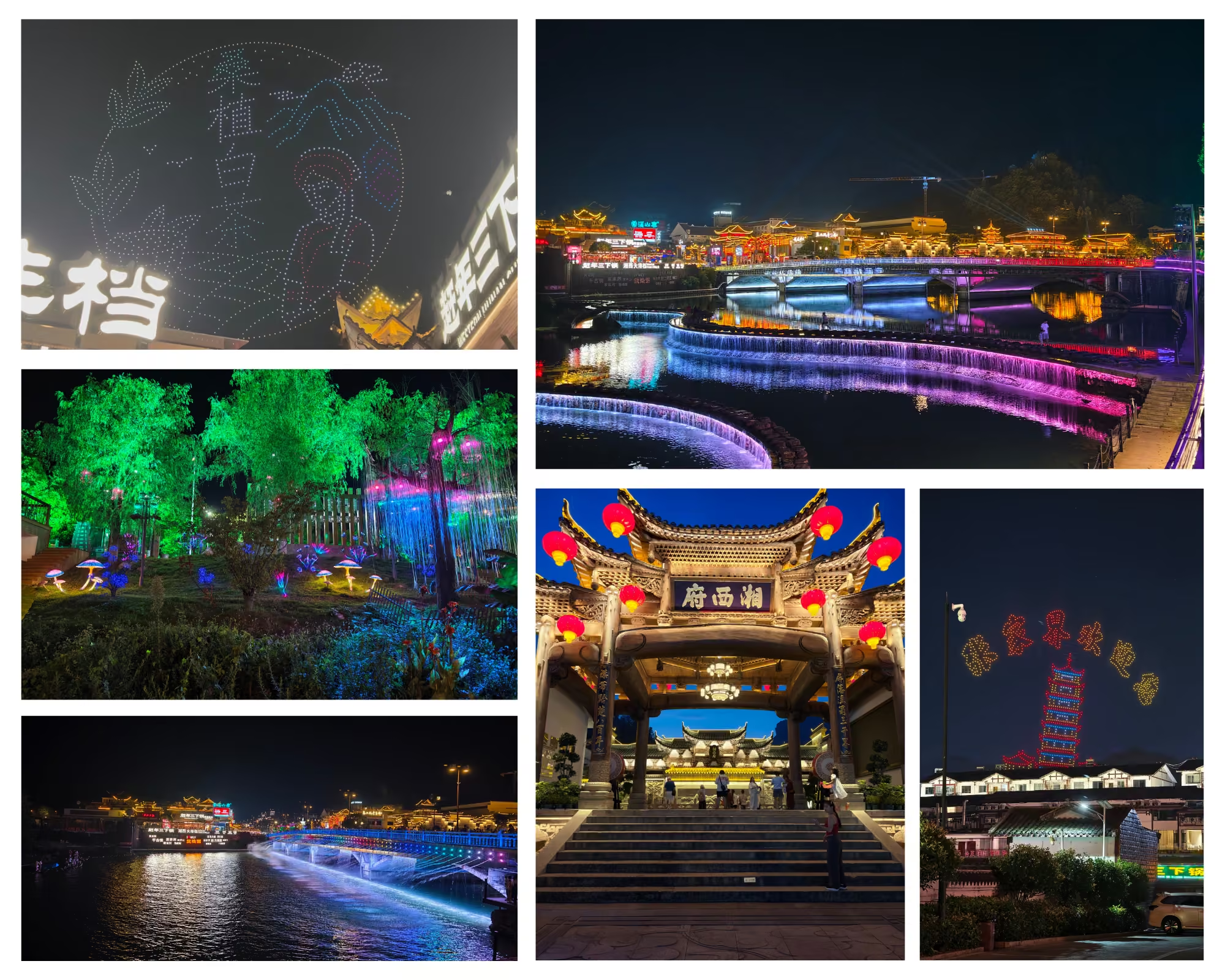
The hotel owner was nice enough to help map out my route, which is a lot, btw. It takes multiple days to travel just the main routes, and extra planning is required to make the most of your trip. Nevertheless, it's hard to describe the breathtaking scenery and incredible heights, so enjoy my photo dump from my time here: